
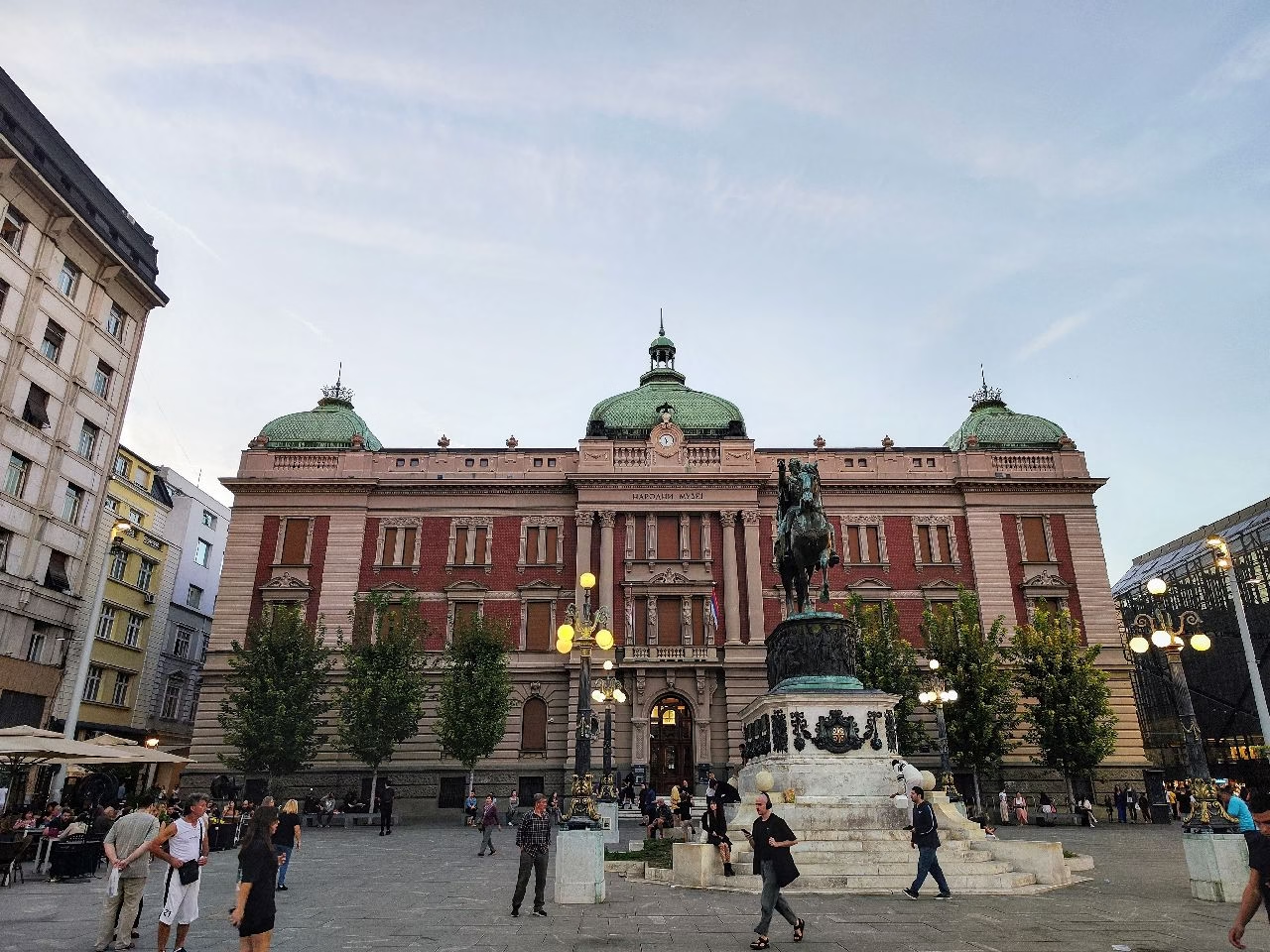
Belgrade has a strong museum scene, from national collections to quirky specialist spaces. If you are interested in modern Serbian and Yugoslav history, a few museums are especially worth planning around.
Museums to consider
- National Museum of Serbia. The country’s main art and archaeology museum, on Republic Square. It reopened after a long renovation, so check what is currently on display.
- Museum of Yugoslavia. Covers the history of the Yugoslav state and includes the site associated with Josip Broz Tito. A good starting point for the 20th century.
- Military Museum at Kalemegdan. Weapons, uniforms and artifacts from many periods, in the fortress grounds. See Kalemegdan.
- Nikola Tesla Museum. Dedicated to the inventor, with demonstrations. Visits are usually by guided tour, so check the current schedule.
- Museum of Contemporary Art. Modern and contemporary Yugoslav and international art. See also the art lover’s guide.
Planning your visit
- Check opening days, because many museums close on Mondays.
- Look for combined or discounted entry. See free and discounted museum access.
- Allow two to three hours for larger museums.
- Museums are a good rainy-day plan.
Context for your visit
To put the museums in context, see Belgrade’s historical sites. If you want comparison with other cities, read how Belgrade’s museums compare.
Frequently asked questions
Which museum is best for a first visit? The Museum of Yugoslavia for history, and the National Museum for art.
Are explanations in English? Many museums offer English labels or guides, but check ahead.
Exhibitions, hours and prices change, so check current information. See how we create our content, including our use of AI.
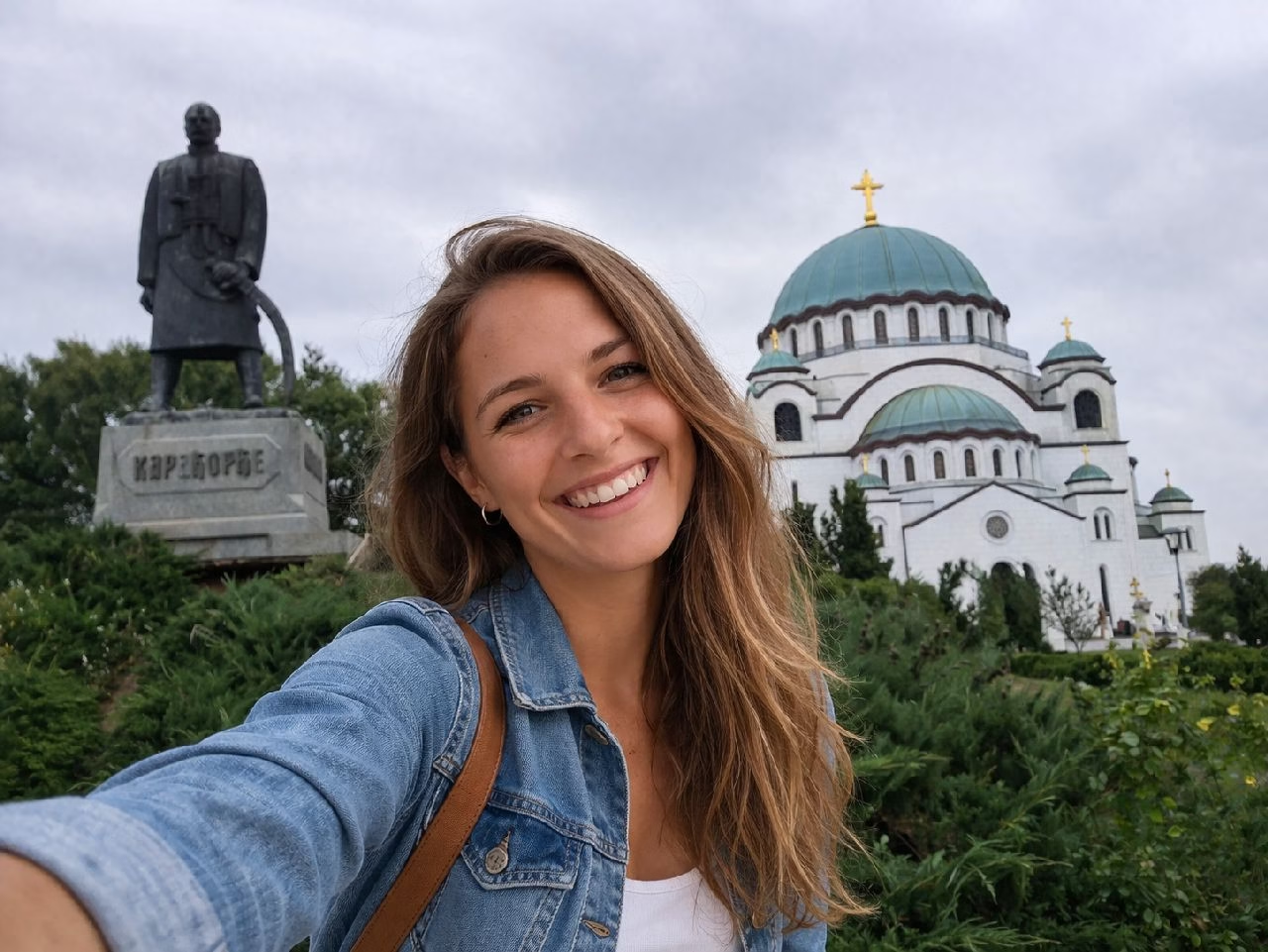
I’m Nevena, a writer and Belgrade native who now splits my time between Serbia and the UK. I’ve been living between two countries for 8 years, which means I understand Belgrade from both sides: as someone who grew up here, and as someone who had to rediscover it through expat eyes.
That dual perspective shapes everything I write. I cover expat life in Belgrade in depth, the things no guidebook tells you, like how to navigate the healthcare system, where to find reliable childcare, what property buying actually involves for foreigners, and how much things really cost when you live here rather than just visiting. I’ve done most of this myself, which means my guides are based on real experience, not research from a distance.
I also write about Serbia and the wider Balkans as a travel destination, a region that still surprises people with how much it offers. I’ve taken 35+ solo trips across Serbia, Bosnia & Herzegovina, North Macedonia, Montenegro, Croatia and Romania, and I speak Serbian, English and conversational Romanian.
Belgrade is one of Europe’s most underrated cities, and I’ve made it my mission to change that, one honest, practical guide at a time.