
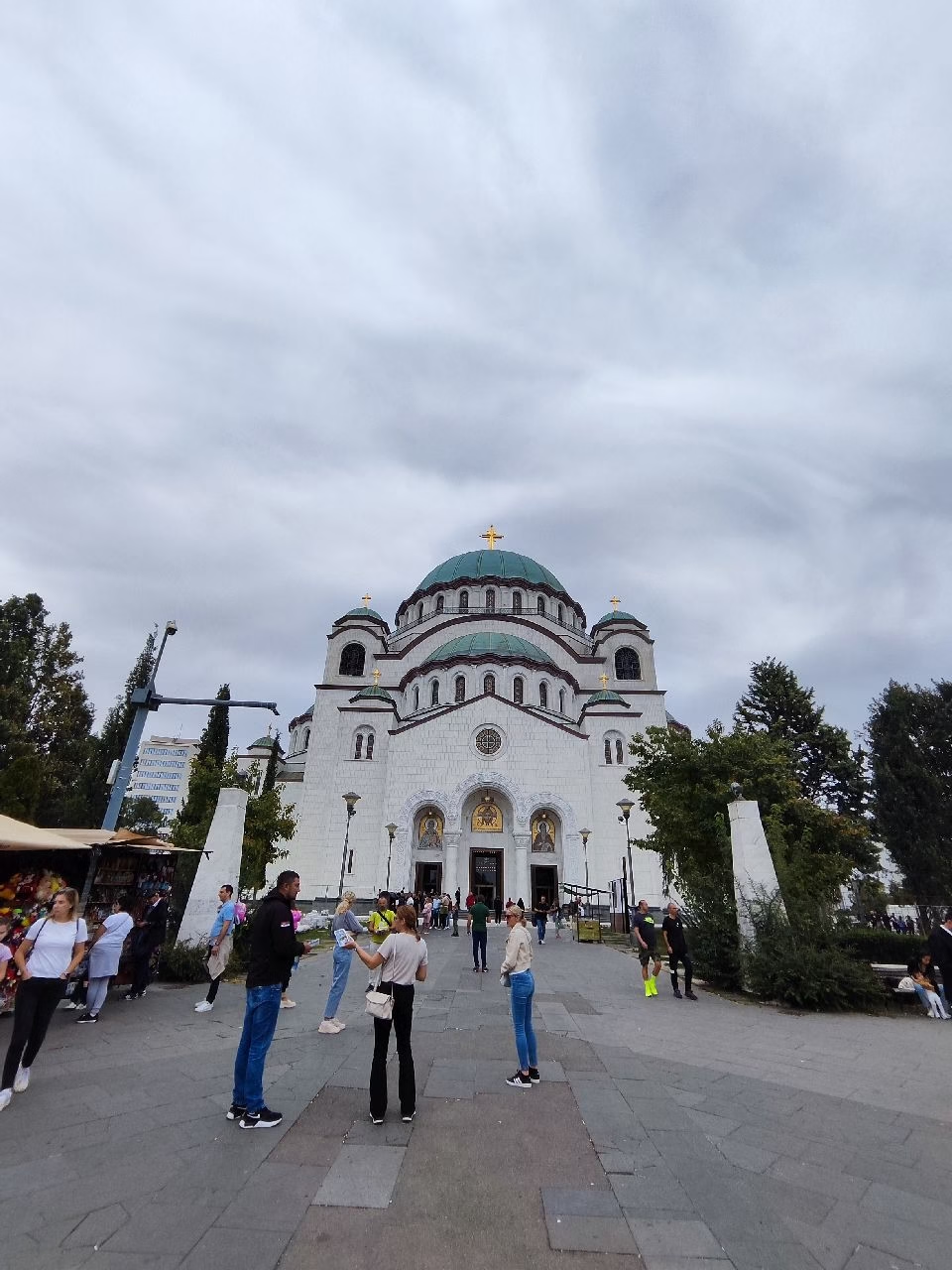
Belgrade’s history is complex, and a good guide makes it much easier to follow. Many guides work in English, and some offer other languages, so it is worth asking before you book.
What to look for
- Language. Confirm the tour language when booking, and ask for the guide’s experience with your language.
- Private or group. Private tours let you adjust the pace. Groups cost less.
- Topic. General history, Yugoslav history, architecture, food or street art.
History-focused tours
For background reading, see historical sites and museums.
Booking tips
- Check what is included, such as entry tickets, transport and drinks.
- Read recent reviews.
- Confirm cancellation terms.
Walking tours too
See walking tours and tipping guides.
Frequently asked questions
Are tours in English common? Yes, most operators offer English.
Tours and prices change, so check current information. See how we create our content, including our use of AI.
Types of Tours at a Glance
| Tour Type | What You Get | Good For |
|---|---|---|
| General city walk | An overview of the old center and key landmarks | First-time visitors |
| Yugoslav history | The twentieth century, politics and everyday life | History fans |
| Architecture | Ottoman, Habsburg, modernist and socialist-era buildings | Design and photography lovers |
| Food and drink | Tastings and the story behind local dishes | Curious eaters |
| Street art | Murals and the stories behind them | Creative travelers |
| Day trip with a guide | Sites outside the city with transport included | Visitors without a car |
Why a Guide Helps in Belgrade
Belgrade has been rebuilt many times, and much of its story is not obvious from the buildings alone. The city sits where two rivers meet, and that position drew in Celts, Romans, Byzantines, Ottomans, Habsburgs and later Yugoslav and Serbian governments. A good guide connects these layers, explains why a street or building matters and answers questions in real time. Guides can also point out details you would walk past, from bullet marks on a wall to the symbolism of a monument.
Choosing a Guide or Operator
- Look for recent reviews that mention the guide’s knowledge and clarity of speech, not just friendliness.
- Ask whether the guide holds a license or relevant training, especially for specialist topics.
- Check group size, since smaller groups make it easier to hear and ask questions.
- Confirm the meeting point, the duration and the end point, so you can plan the rest of your day.
- Ask about accessibility if you have mobility needs, because some routes involve hills, steps and cobbles.
Finding Tours in Languages Other Than English
English is the most common tour language, but some operators and independent guides work in German, French, Italian, Spanish, Russian or other languages. Availability varies by season and by guide, so ask in advance and be ready to book a private tour if you need a less common language. If your group speaks different languages, a private guide can often alternate or adapt. Clarify in writing what language the tour will be given in, since a mismatch is hard to fix once you have started.
Self-Guided Alternatives
If a tour does not fit your schedule or budget, you can still learn a great deal on your own. Read about the fortress before you go, and visit museums with good English labels. Our guides to Kalemegdan, Skadarlija and walking in Belgrade will help you build your own route.
Making the Most of Your Tour
- Wear comfortable shoes and dress for the weather. See the Belgrade packing guide.
- Bring water, a charged phone and a small amount of cash.
- Dress modestly if your route includes churches. See what to wear at religious sites.
- Prepare a few questions in advance, because guides often enjoy going deeper on topics you care about.
Do I need to book in advance?
Popular tours and private guides can fill up in high season, so book ahead when you can. Off-season, same-day bookings are sometimes possible.
Are tours suitable for children?
Many are, especially shorter ones with interactive stops. Ask the operator about pacing and age suitability. See family-friendly activities.
Is it worth taking a tour if I only have one day?
A short tour on your first day is a good way to get your bearings, and you can return to places that interested you. See 2, 3 and 4 days in Belgrade.
Questions to Ask a Guide Before You Book
- How long have you been guiding, and what is your background in the topic?
- How many people will be in the group, and how will you make sure everyone can hear?
- What happens if the weather is poor or a site is closed?
- Can you adapt the route for children, older travelers or limited mobility?
- Is there a meeting point near public transport?
Reading Reviews With a Critical Eye
Reviews can be helpful, but read them carefully. Look for details such as what the guide explained, how the group was managed and whether the tour matched its description. Be cautious of reviews that are very short or all alike, and give more weight to recent comments. A mix of positive and balanced reviews is usually more reliable than a perfect score.
Planning Around a Tour
A tour works best when you plan the rest of the day around it. Have breakfast first, wear comfortable shoes and keep your afternoon relaxed, since history walks can be tiring. If the tour ends near a cafe or park, you can use the time afterward to digest what you learned. Many visitors take notes or photos of places they want to revisit. For sample plans, see 2, 3 and 4 days in Belgrade.
Tours for Specific Interests
If you have a particular interest, look for specialist guides. Food lovers can try a market or tasting tour, art fans can join a street art or gallery walk, and architecture fans can follow a route through different building styles. Our guides to food tours and street art give a sense of what is on offer.
I’m Nevena, a writer and Belgrade native who now splits my time between Serbia and the UK. I’ve been living between two countries for 8 years, which means I understand Belgrade from both sides: as someone who grew up here, and as someone who had to rediscover it through expat eyes.
That dual perspective shapes everything I write. I cover expat life in Belgrade in depth, the things no guidebook tells you, like how to navigate the healthcare system, where to find reliable childcare, what property buying actually involves for foreigners, and how much things really cost when you live here rather than just visiting. I’ve done most of this myself, which means my guides are based on real experience, not research from a distance.
I also write about Serbia and the wider Balkans as a travel destination, a region that still surprises people with how much it offers. I’ve taken 35+ solo trips across Serbia, Bosnia & Herzegovina, North Macedonia, Montenegro, Croatia and Romania, and I speak Serbian, English and conversational Romanian.
Belgrade is one of Europe’s most underrated cities, and I’ve made it my mission to change that, one honest, practical guide at a time.