

Belgrade, the capital of Serbia, is a city with a rich history and a vibrant cultural scene. Situated at the confluence of the Sava and Danube rivers, Belgrade has been a strategic location for centuries, and its diverse architecture reflects its varied past. From the ancient fortress of Kalemegdan to the modernist buildings of Novi Beograd, Belgrade offers a fascinating mix of old and new. The city is also known for its lively nightlife, with countless bars, clubs, and live music venues catering to all tastes. Whether you’re interested in history, art, or simply enjoying the local cuisine, Belgrade has something to offer for everyone.
Savamala: The Artsy and Trendy Neighborhood
Savamala is a neighborhood in Belgrade that has undergone a transformation in recent years, becoming a hub for artists, designers, and creatives. Once a neglected area, Savamala is now home to numerous galleries, studios, and cultural events. The streets are lined with colorful murals and street art, giving the neighborhood a vibrant and edgy atmosphere. In addition to its artistic side, Savamala also boasts trendy bars, restaurants, and cafes, making it a popular destination for locals and tourists alike. Whether you’re interested in contemporary art or simply want to soak up the creative energy, Savamala is a must-visit neighborhood in Belgrade.
Stari Grad: The Historic and Cultural Hub
Stari Grad, or the Old Town, is the heart of Belgrade and the city’s historic center. With its cobblestone streets and well-preserved architecture, Stari Grad exudes an old-world charm that is hard to resist. The neighborhood is home to some of Belgrade’s most important cultural landmarks, including the Belgrade Fortress, the Cathedral of Saint Sava, and the National Museum. Visitors can also explore the narrow alleyways and hidden courtyards, where they will find charming cafes, traditional restaurants, and artisan shops. Stari Grad is a place where history comes alive, and it offers a glimpse into Belgrade’s past while also being a lively and bustling area.
Dorcol: The Bohemian and Vibrant District
Dorcol is a neighborhood in Belgrade that has long been associated with bohemian culture and artistic expression. With its mix of old and new buildings, Dorcol has a unique character that sets it apart from the rest of the city. The area is known for its eclectic mix of cafes, bars, and restaurants, where locals and visitors can enjoy live music, poetry readings, and other cultural events. Dorcol is also home to Skadarlija, a cobblestone street lined with traditional Serbian restaurants and lively taverns. Whether you’re interested in exploring the local art scene or simply want to soak up the neighborhood’s laid-back atmosphere, Dorcol is a must-visit destination in Belgrade.
Vracar: The Lively and Cosmopolitan Area
Vracar is a lively and cosmopolitan neighborhood in Belgrade that offers a mix of cultural attractions, green spaces, and trendy cafes. The area is best known for the Church of Saint Sava, one of the largest Orthodox churches in the world, which dominates the skyline with its grand dome and ornate facade. Vracar is also home to numerous parks and gardens, including Tasmajdan Park and Karadjordje Park, where locals gather to relax and socialize. The neighborhood’s bustling streets are lined with shops, boutiques, and restaurants, making it a popular destination for shopping and dining. Whether you’re interested in history, nature, or simply want to experience the local way of life, Vracar has something to offer for everyone.
Zemun: The Charming Riverside Neighborhood
Zemun is a charming neighborhood located on the banks of the Danube River, offering a peaceful escape from the hustle and bustle of central Belgrade. With its cobblestone streets, colorful houses, and waterfront promenade, Zemun has a relaxed and laid-back atmosphere that is hard to resist. The neighborhood is home to several historic landmarks, including the Gardoš Tower and the Zemun Market, where visitors can explore local produce and traditional crafts. Zemun also boasts a vibrant nightlife scene, with numerous bars and restaurants offering stunning views of the river. Whether you’re interested in exploring historic sites or simply want to enjoy the riverside ambiance, Zemun is a hidden gem in Belgrade that should not be missed.
Novi Beograd: The Modern and Dynamic District
Novi Beograd, or New Belgrade, is a modern and dynamic district that offers a stark contrast to the historic neighborhoods on the other side of the Sava River. Built in the mid-20th century as a planned socialist city, Novi Beograd is characterized by its wide boulevards, high-rise buildings, and spacious parks. The area is home to numerous cultural institutions, including the Museum of Contemporary Art and the Sava Center, which hosts concerts, exhibitions, and other events. Novi Beograd also boasts a thriving business district with modern office buildings and shopping centers. Whether you’re interested in modern architecture or want to experience the city’s contemporary side, Novi Beograd offers a unique perspective on Belgrade’s urban landscape.
In conclusion, Belgrade is a city of contrasts, where historic landmarks coexist with modern developments and where traditional culture meets contemporary creativity. Each neighborhood in Belgrade has its own unique character and charm, offering visitors a diverse range of experiences to explore. Whether you’re interested in history, art, nightlife, or simply soaking up the local atmosphere, Belgrade has something to offer for everyone. With its rich history, vibrant culture, and welcoming locals, Belgrade is a city that will leave a lasting impression on anyone who visits.
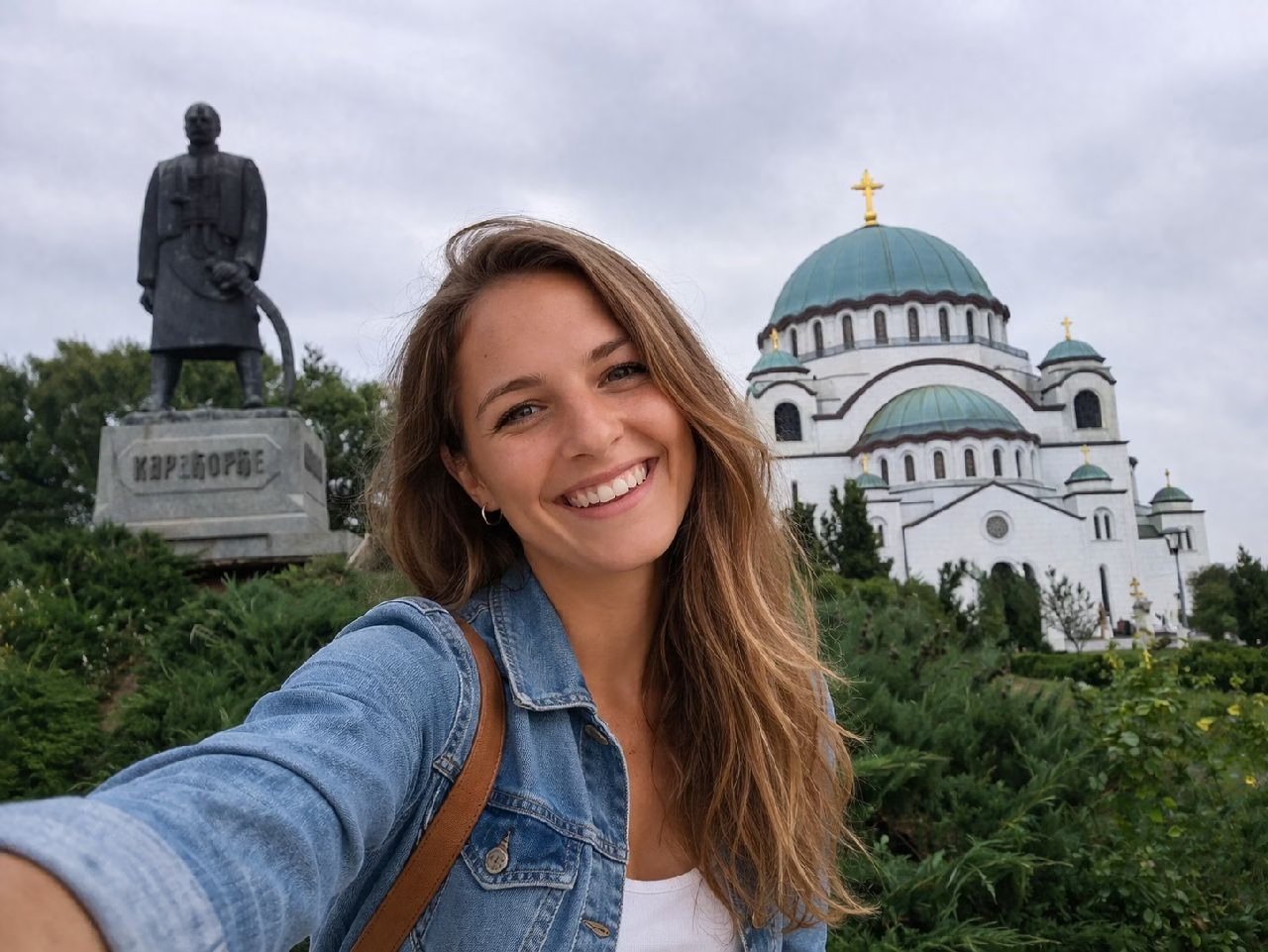
I’m Nevena, a writer and Belgrade native who now splits my time between Serbia and the UK. I’ve been living between two countries for 8 years, which means I understand Belgrade from both sides: as someone who grew up here, and as someone who had to rediscover it through expat eyes.
That dual perspective shapes everything I write. I cover expat life in Belgrade in depth, the things no guidebook tells you, like how to navigate the healthcare system, where to find reliable childcare, what property buying actually involves for foreigners, and how much things really cost when you live here rather than just visiting. I’ve done most of this myself, which means my guides are based on real experience, not research from a distance.
I also write about Serbia and the wider Balkans as a travel destination, a region that still surprises people with how much it offers. I’ve taken 35+ solo trips across Serbia, Bosnia & Herzegovina, North Macedonia, Montenegro, Croatia and Romania, and I speak Serbian, English and conversational Romanian.
Belgrade is one of Europe’s most underrated cities, and I’ve made it my mission to change that, one honest, practical guide at a time.