
The Belgrade Fortress, also known as Kalemegdan Fortress, is a historic landmark that stands as a symbol of the city’s rich and diverse history. Situated at the confluence of the Sava and Danube rivers, the fortress has been a strategic military stronghold for centuries, with its origins dating back to the Roman, Byzantine, and Ottoman periods. The fortress has witnessed numerous battles and conquests, and its walls have stood as a testament to the resilience and endurance of the city and its people. Today, the Belgrade Fortress is not only a popular tourist attraction but also a cultural and historical monument that offers visitors a glimpse into the city’s past.
The Belgrade Fortress is a sprawling complex that encompasses not only the ancient fortifications but also a park, museums, and historical monuments. The fortress offers stunning panoramic views of the city and the rivers below, making it a popular spot for locals and tourists alike. The fortress also houses several museums, including the Military Museum and the Belgrade City Museum, which showcase artifacts and exhibits related to the city’s military history and cultural heritage. With its rich history and breathtaking views, the Belgrade Fortress is a must-visit destination for anyone interested in exploring the city’s past and experiencing its enduring legacy.
Kalemegdan Park: The Heart of Belgrade’s Historic Center
Kalemegdan Park, located within the grounds of the Belgrade Fortress, is often referred to as the heart of Belgrade’s historic center. The park is a sprawling green oasis that offers a peaceful retreat from the hustle and bustle of the city, with its lush gardens, winding pathways, and picturesque views of the rivers and surrounding landscape. Kalemegdan Park is a popular gathering place for locals and visitors, who come to relax, picnic, and enjoy outdoor activities such as walking, jogging, and cycling. The park also hosts cultural events and festivals throughout the year, adding to its vibrant and lively atmosphere.
In addition to its natural beauty, Kalemegdan Park is home to several historical monuments and landmarks that reflect the city’s rich heritage. Visitors can explore ancient Roman ruins, Ottoman-era structures, and medieval fortifications within the park grounds, providing a fascinating glimpse into Belgrade’s past. The park also features several sculptures and memorials dedicated to important figures in Serbian history, adding to its cultural significance. With its combination of natural beauty and historical significance, Kalemegdan Park is a beloved destination that captures the essence of Belgrade’s historic charm.
The Royal Palace: A Glimpse into Serbia’s Monarchical Past
The Royal Palace, located in the Dedinje neighborhood of Belgrade, is a grand and opulent residence that offers visitors a glimpse into Serbia’s monarchical past. Built in the early 20th century for the Serbian royal family, the palace is an architectural masterpiece that reflects the grandeur and elegance of its time. The palace grounds are adorned with lush gardens, fountains, and statues, creating a serene and regal atmosphere that transports visitors back to a bygone era. Today, the Royal Palace serves as an official residence for foreign dignitaries and a venue for state events and ceremonies.
Visitors to the Royal Palace can take guided tours of the interior, which are adorned with exquisite furnishings, artwork, and decorative details that showcase the palace’s rich history and royal heritage. The palace also houses a museum that displays artifacts and memorabilia related to Serbia’s royal family, providing insight into their lives and legacies. With its grand architecture and historical significance, the Royal Palace is a must-see destination for anyone interested in experiencing Serbia’s monarchical past and exploring its royal traditions.
The Church of Saint Sava: A Majestic Monument to Serbian Orthodoxy
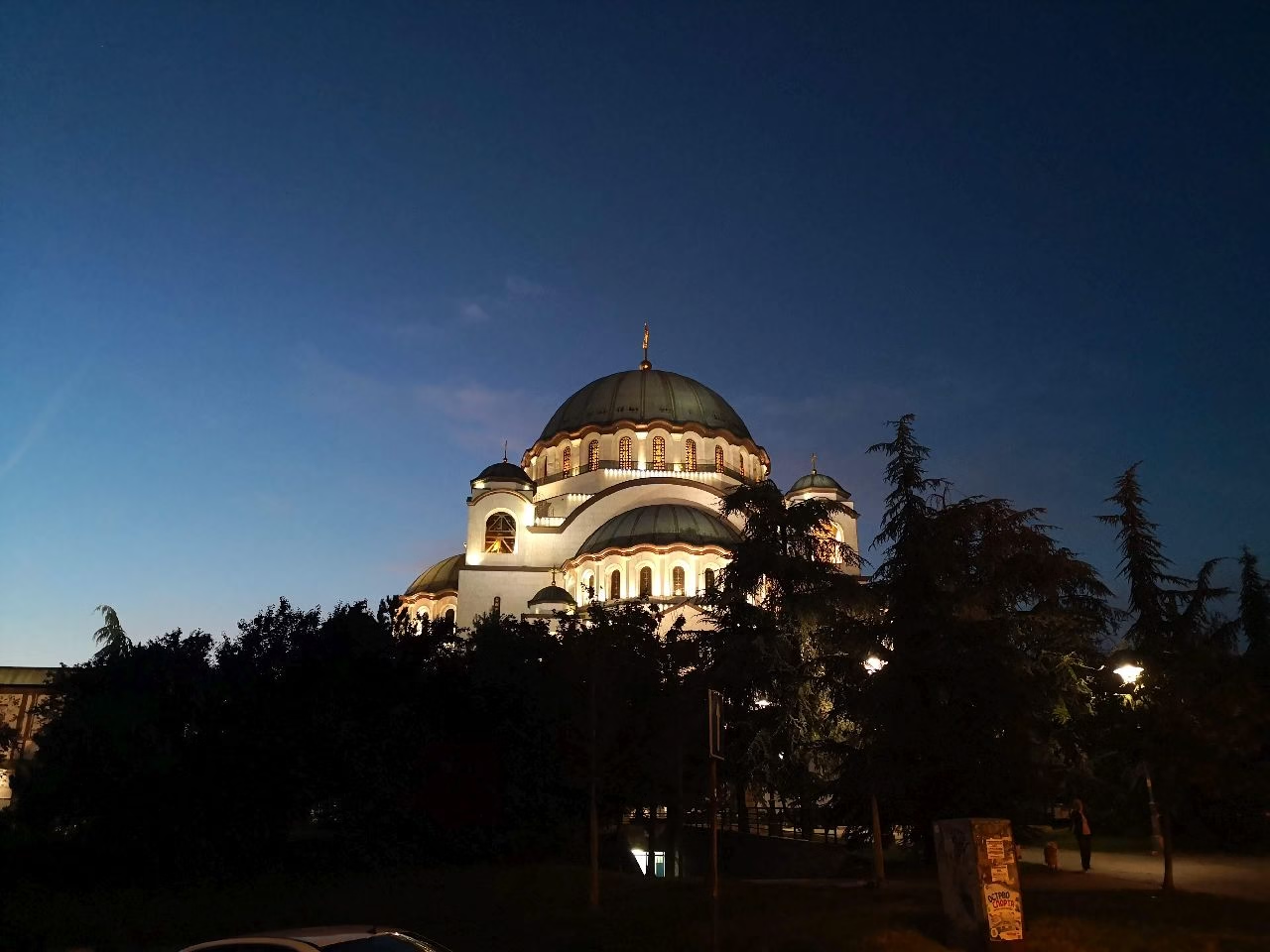
The Church of Saint Sava is a majestic monument to Serbian Orthodoxy and one of Belgrade’s most iconic landmarks. Situated on the Vračar plateau, the church is dedicated to Saint Sava, the founder of the Serbian Orthodox Church, and is one of the largest Orthodox churches in the world. The church’s striking architecture features a massive central dome, intricate mosaics, and ornate details that reflect traditional Serbian religious artistry. The interior of the church is adorned with stunning frescoes and religious icons that depict scenes from the life of Saint Sava and other important figures in Serbian history.
The Church of Saint Sava holds great cultural and spiritual significance for Serbians, serving as a place of worship, pilgrimage, and national pride. The church’s location on the Vračar plateau holds historical significance as well, as it is believed to be the site where Saint Sava’s remains were burned by Ottoman conquerors in the 16th century. Today, the Church of Saint Sava stands as a symbol of resilience and faith for the Serbian people, attracting visitors from around the world who come to admire its beauty and experience its spiritual aura.
The National Museum: Showcasing Serbia’s Cultural Heritage
The National Museum of Serbia is a prestigious institution that showcases the country’s rich cultural heritage through its extensive collection of art, artifacts, and historical treasures. Located in the heart of Belgrade, the museum is housed in a grand neoclassical building that dates back to the late 19th century. The museum’s collection spans thousands of years of Serbian history and includes ancient artifacts, medieval art, religious icons, and modern masterpieces by renowned Serbian artists. Visitors can explore galleries dedicated to archaeology, fine arts, applied arts, and numismatics, providing a comprehensive overview of Serbia’s artistic and cultural legacy.
In addition to its permanent collection, the National Museum hosts temporary exhibitions and cultural events that highlight various aspects of Serbian history and contemporary art. The museum also offers educational programs, guided tours, and workshops for visitors of all ages, making it an engaging and enriching destination for art enthusiasts and history buffs. With its diverse collection and commitment to preserving Serbia’s cultural heritage, the National Museum stands as a vital institution that celebrates the country’s artistic achievements and historical legacy.
Skadarlija: Belgrade’s Bohemian Quarter with a Rich Historical Legacy
Skadarlija is a charming and bohemian quarter in Belgrade that holds a rich historical legacy as a hub for artists, writers, musicians, and intellectuals. Known as Belgrade’s “Montmartre,” Skadarlija is a cobblestone street lined with quaint cafes, traditional restaurants, art galleries, and craft shops that exude an old-world charm and romantic ambiance. The neighborhood has been a gathering place for creative minds since the 19th century when it was home to many famous poets, painters, and musicians who sought inspiration in its lively atmosphere. Today, Skadarlija remains a vibrant cultural center where visitors can immerse themselves in Belgrade’s artistic spirit while enjoying live music performances, poetry readings, and traditional Serbian cuisine.
Skadarlija’s historical significance is evident in its well-preserved architecture and nostalgic ambiance that harkens back to a bygone era. The neighborhood’s narrow streets are adorned with colorful facades, ornate balconies, and vintage street lamps that create a picturesque setting reminiscent of old-world Europe. Visitors can explore Skadarlija’s many cafes and restaurants to savor authentic Serbian dishes such as Ćevapi (grilled minced meat), Sarma (cabbage rolls), and Rakija (fruit brandy), while soaking up the neighborhood’s bohemian atmosphere. With its rich historical legacy and vibrant cultural scene, Skadarlija offers a unique glimpse into Belgrade’s artistic soul and creative heritage.
The House of Flowers: Tito’s Final Resting Place and a Museum of Yugoslav History
The House of Flowers is a unique museum complex located in Belgrade that serves as both Tito’s final resting place and a museum dedicated to Yugoslav history. Originally built as Josip Broz Tito’s official residence during his presidency of Yugoslavia, the House of Flowers now houses Tito’s mausoleum alongside an exhibition space that showcases artifacts related to his life and legacy. Visitors can explore Tito’s tomb within a peaceful garden setting adorned with floral arrangements and pay their respects to the former leader who played a pivotal role in shaping Yugoslavia’s history.
In addition to Tito’s mausoleum, the House of Flowers features an extensive museum collection that documents Yugoslavia’s political development, social achievements, cultural diversity, and international relations during Tito’s presidency. The museum displays personal belongings of Tito, gifts from foreign dignitaries, photographs, documents, and multimedia presentations that provide insight into Yugoslavia’s complex history.
The House of Flowers also hosts educational programs, lectures, and events that promote dialogue about Yugoslavia’s legacy among visitors from different generations. With its dual role as Tito’s final resting place and a museum of Yugoslav history, the House of Flowers stands as an important institution that preserves the memory of Yugoslavia’s past while fostering understanding and reflection on its impact on contemporary society.
In conclusion, Belgrade is a city steeped in history and culture with numerous landmarks that reflect its rich heritage. From ancient fortresses to grand palaces, majestic churches to vibrant neighborhoods, each destination offers visitors a unique perspective on Belgrade’s past while celebrating its enduring legacy. Whether exploring historic sites or immersing oneself in artistic enclaves, Belgrade invites travelers to embark on a journey through time while experiencing its vibrant present. With its diverse array of attractions that cater to all interests and passions, Belgrade stands as a captivating destination that captivates visitors with its timeless charm and cultural allure.

I’m Nevena, a writer and Belgrade native who now splits my time between Serbia and the UK. I’ve been living between two countries for 8 years, which means I understand Belgrade from both sides: as someone who grew up here, and as someone who had to rediscover it through expat eyes.
That dual perspective shapes everything I write. I cover expat life in Belgrade in depth, the things no guidebook tells you, like how to navigate the healthcare system, where to find reliable childcare, what property buying actually involves for foreigners, and how much things really cost when you live here rather than just visiting. I’ve done most of this myself, which means my guides are based on real experience, not research from a distance.
I also write about Serbia and the wider Balkans as a travel destination, a region that still surprises people with how much it offers. I’ve taken 35+ solo trips across Serbia, Bosnia & Herzegovina, North Macedonia, Montenegro, Croatia and Romania, and I speak Serbian, English and conversational Romanian.
Belgrade is one of Europe’s most underrated cities, and I’ve made it my mission to change that, one honest, practical guide at a time.