
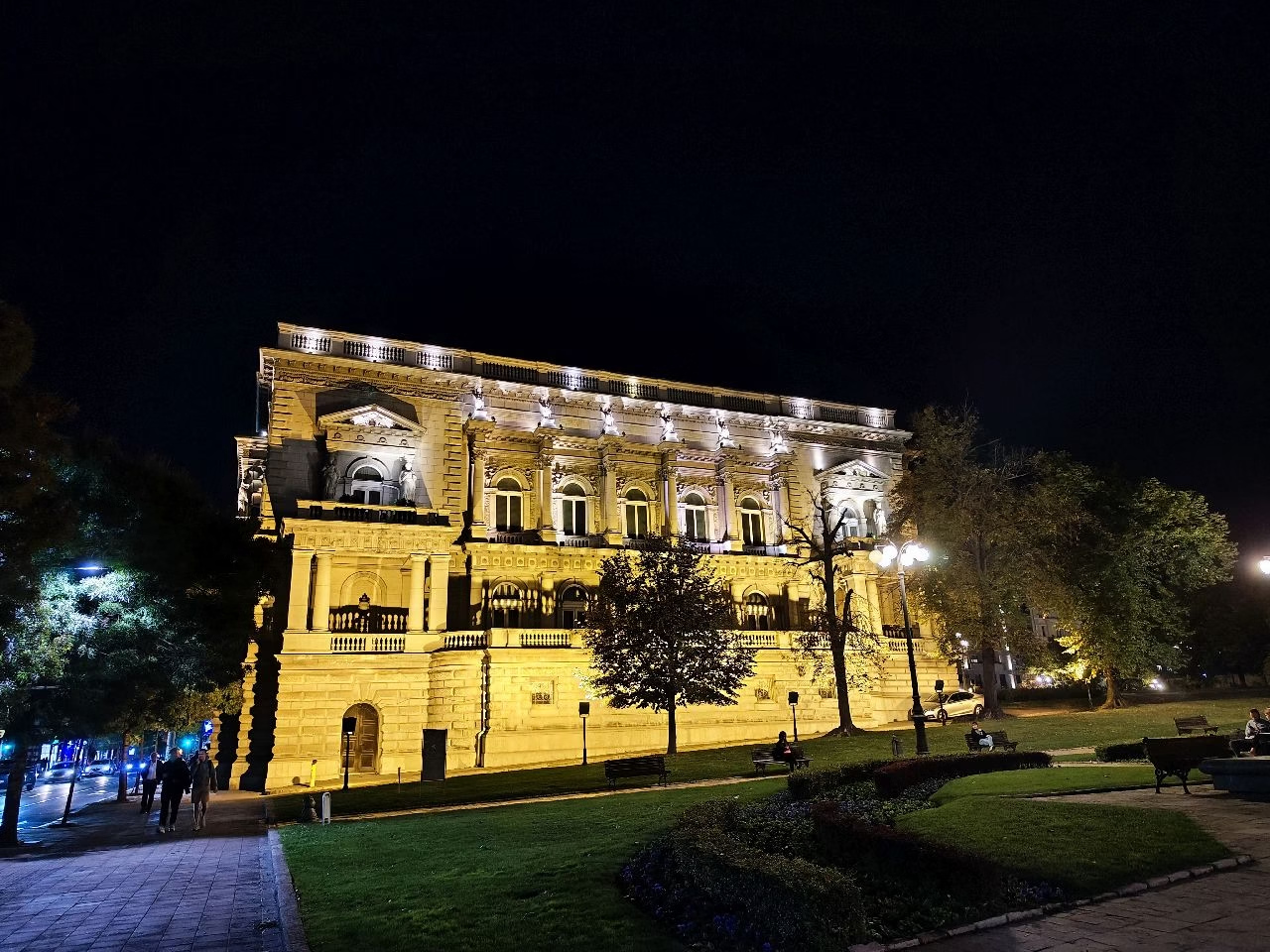
Events in Belgrade in November invite you to trade summer crowds for cozy cafés, lively concerts, and lower accommodation prices; you’ll find a rich cultural calendar at venues like Sava Centar and the National Theatre. Expect chilly, sometimes rainy weather, so pack warm layers and rain protection. With fewer tourists and abundant indoor festivals, November is ideal for you to explore concerts, exhibitions, and authentic local food experiences.
Key Takeaways:
- November offers a cozy, low‑crowd Belgrade with lower accommodation prices and cool, sometimes rainy weather—pack warm layers and rain protection and enjoy café culture and quieter sightseeing.
- The city’s indoor cultural calendar is strong: expect major events like the Belgrade Jazz Festival (late Oct–early Nov), Kratki Meter (short film festival), recurring book and food fairs, plus concerts and theatre at Sava Centar, Kombank Hall, the Philharmonic and National Theatre.
- Food, nightlife and local experiences shine—warm up in kafanas and rakija bars with sarma, goulash and ajvar, browse Kalenić and Zeleni Venac markets, explore street art in Dorćol/Savamala, or take short day trips to Avala Tower or Zemun.
Top Events in November
Major Festivals and Fairs
You can catch the tail end of the Belgrade Jazz Festival in early November, when international headliners share stages at Sava Centar and smaller club venues like Jazz Basta and Bitef Art Café—expect a mix of big-hall sets and intimate club nights across a 3–5 day span. The Belgrade Book Fair sometimes spills into November at the Belgrade Fair complex, where hundreds of regional publishers and dozens of author events create a dense programme for readers and translators.
Film fans will find Kratki Meter (the Short Film Festival) scheduling screenings and industry panels in multiple cinemas across the city, while the Serbian Ethno Food & Drinks Fair typically runs for a long weekend with dozens of producers, tastings, and workshops—usually held at the fairgrounds or Dom Omladine. Note that many outdoor stalls and smaller food fairs can be cold and wet in November, so plan for indoor tastings and check event rain plans before you go.
Concerts and Live Music
Big-name concerts fill Kombank Hall and Sava Centar on weekends, with classical performances at Kolarac Concert Hall and Belgrade Philharmonic programmes often scheduled on Thursday–Saturday evenings; ticket prices for mid-size shows generally range from roughly 800–3,000 RSD, while major international acts push well above that. For club-level discovery you’ll want Barutana in Kalemegdan for indie and alternative acts, Drugstore for electronic nights, and Bitef Art Café or Jazz Basta for late-night jazz — these venues often host multiple shows per week, so you can string together two or three different nights of live music during a long weekend.
Many of the riverside splavovi stay open into November for themed DJ nights and live bands, though acoustics and crowds vary greatly from one boat to another; buying tickets in advance through Eventim or local box offices helps you avoid sold-out nights and high door prices. If you prefer a quieter evening, look for chamber and solo recitals at smaller halls like Kolarac, where performances typically start at 19:00 and provide a more reserved atmosphere than the club scene.
Plan to book tickets in advance for popular concerts, arrive early (doors commonly open 30–60 minutes before start), and bring a warm layer for the walk or tram ride between venues; cloakrooms are available at larger halls but are often busy, and splavovi can be smoky and crowded late at night, so choose accordingly.
Local Experiences
You can track last-minute gigs, gallery openings and food fairs on the THINGS TO DO IN BELGRADE – Events calendar, which updates weekly and is handy when planning around changing November schedules.
Cultural Activities
If you want live music, check listings at Sava Centar, Kombank Hall and smaller venues like Barutana or Jazz Basta — concerts in November often range between €10–€50 depending on the artist. Attend a Belgrade Philharmonic performance at Kolarac or a play at the National Theatre; local festivals such as Belgrade Jazz Festival (late October–early November) and Kratki Meter film screenings concentrate marquee events into a tight window, so buy tickets online in advance when possible.
For contemporary art, plan visits to the Museum of Contemporary Art and rotating shows in Dorćol and Savamala, where outdoor murals and gallery openings are frequent; during Museum Night many institutions open late with special guided tours and pay-what-you-wish entries. You’ll also find intimate performances at Bitef Teatar and experimental evenings at Drugstore — these spots give you a direct line to Belgrade’s underground scene and often feature local artists for under €15.
Culinary Delights
Start mornings at Kalenić Market or Zeleni Venac to sample seasonal produce — sellers commonly offer mushrooms, apples and root vegetables in November, and you can pick up ajvar ingredients or locally made cheese for €3–€8 per kilo. For classic dining, sit down in Skadarlija at Tri Šešira for traditional dishes like sarma and goulash (a full kafana meal typically costs around €5–€12), and don’t skip a rakija tasting: many bars pour house-made varieties at 40–50% ABV, sold by the shot.
Street-food options such as ćevapi and burek keep prices low (often under €3–4) and are perfect between galleries and concerts; meanwhile the Serbian Ethno Food & Drinks Fair in November is the best place to sample regional specialties in one spot, with producers selling jars of ajvar, smoked meats and artisan brandies.
When you plan culinary outings, factor in market hours (vendors start around 07:00 and many stalls close by mid-afternoon), reserve kafana tables for evenings, and budget roughly €20–€35 per person for a relaxed dinner with wine — this helps you balance splurge tastings (tasting menus or specialty rakija flights) with everyday eats.
Tips for Visiting
Plan around indoor schedules and late-afternoon sunsets: Belgrade in November often has cultural events starting between 19:00–20:00, so use daytime for museums, markets, and walks along the river. Expect fewer tourists and lower accommodation prices — midrange hotel rates commonly drop by 20–40% compared with summer; book centrally (Stari Grad or Dorćol) to save on transport time and stay within walking distance of major venues.
- Belgrade
- November
- events
- concerts
- local experiences
- weather
- budget
Keep digital copies of tickets and a local SIM or eSIM for easy bookings; many small galleries and splavovi limit capacity, and apps like Tickets.rs or venue pages can save you from long queues. Pay attention to ceremony dates around Armistice Day (11 November) — some transport schedules and opening hours change, and attending a short ceremony at Kalemegdan offers a meaningful local experience.
Weather Considerations
Expect average daytime highs around 8–12°C and nighttime lows close to 0–4°C; early cold snaps can push temperatures below freezing and bring light snow. Dress in layers: a thermal base, a warm mid-layer, and a waterproof outer shell will keep you comfortable during sudden rain or wind off the Sava and Danube, and pack waterproof shoes because streets and riverside promenades get slippery when wet.
Check the 10‑day forecast from the Republic Hydrometeorological Service (RHMZ) before you leave; tram and ferry timetables are less affected by weather than splavovi operations, but heavy rain may close some outdoor markets and events. If you plan to chase daylight views, note that sunset moves from roughly 16:30 to 17:00 during November, so schedule panoramic stops like the Fortress or Avala in the early afternoon.
Budget-Friendly Recommendations
Use public transport and free/low-cost cultural options: you can join free walking tours (tips-based) to learn neighbourhood histories, visit Belgrade Fortress at no charge, and time museum visits for discount days when entry falls to €1–€3. Eat like a local — bakeries and buregdžinicas offer filling pastries for €1–€2, while kafanas serve hearty mains such as goulash or sarma for €4–€8; Kalenić Market and Zeleni Venac are great for cheap, fresh snacks and seasonal produce.
Choose a city-centre guesthouse or an apartment with a kitchenette to reduce meal costs, and use ride-hailing apps (Bolt or CarGo) for short trips — fares within the central zone often cost less than an expensive taxi night fare. If you plan multiple museum visits or transit trips, look into day passes or multi-ride tickets at kiosks to cut per-ride costs; student or senior discounts can lower entrance fees by up to 50% at some venues.
This extra tip: scout event calendars in advance (Belgrade Jazz Festival and Kratki Meter often release discounted early-bird tickets), buy tickets directly from venue box offices to avoid resale premiums, and balance one paid performance with free public events or markets each day to stretch your budget while still enjoying top concerts and exhibitions.
Getting Around the City
Plan on mixing public transport, short taxi rides and a lot of walking to get the most out of Belgrade in November. For quick inspiration on sights you can stitch into walking days, check THE 15 BEST Things to Do in Belgrade (2025) — it’s a handy shortlist for building daily routes. Expect shorter daylight hours and wet pavements, so schedule outdoor strolling for midday and indoor visits (museums, cafés, concerts) for the colder parts of the day.
Use central transport hubs like Slavija, Zeleni Venac and Republic Square as bases for connections; they shave transfer times and make changing lines straightforward. If you rely on taxis, stick to app-based services or clearly marked meters and drivers — use Bolt or licensed taxis and avoid unmarked offers at night.
Transportation Options
Public transport runs on a network of buses, trams and trolleybuses operated by GSP Beograd, covering the city core and many suburbs. You’ll find frequent services on major corridors, though services thin out late at night; plan for heavier traffic during morning (about 07:30–09:00) and evening (about 16:30–18:30) rush hours. For airport transfers, the A1 shuttle/minibus and dedicated airport coaches link Nikola Tesla Airport to central points in roughly 30–40 minutes depending on traffic — taxis or app rides cut that time but cost more.
Micro-mobility options are widespread: e-scooters and dockless bikes cover short hops along the riverside and in the city centre, and car-sharing or short-term rentals work if you plan outings outside central Belgrade. Be aware that parking is limited downtown and traffic can become congested near Sava Centar and Slavija during events; avoid driving into the core during major concerts or festivals if you can.
Walking Routes and Highlights
Walk from Kalemegdan Fortress down into Knez Mihailova (about a 5–10 minute, 600–800 m stroll) to hit the main historic axis: Republic Square, the National Theatre and pedestrian shopping streets. Continue to Skadarlija (another 8–12 minute walk) for cobblestone bohemian vibes, then head toward Savamala and Beton Hala along the riverfront for evening cafés and splavovi views — each segment is short enough that you can comfortably cover two or three stops in a single afternoon. The Victor monument and the confluence viewpoint at Kalemegdan are must-see photo spots.
Note that some stretches have uneven surfaces: Skadarlija’s cobbles and the fortress steps can be slippery when wet, and certain riverside paths get muddy after rain. Wear grippy shoes and plan alternate indoor options (museums, galleries, kafanas) if heavy rain moves in; watch your footing on stairs and wet cobbles.
For a longer loop, map a riverside walk from Beton Hala toward Zemunci Kej and then take tram or taxi back to the center — tram rides to Zemun take roughly 20–25 minutes depending on line and traffic, making it an easy half-day excursion. You’ll pass riverside promenades, terraces ideal for late-afternoon views, and small neighbourhood markets; use daylight hours for riverside promenades and reserve evening time for heated indoor spots and live music.
Pros and Cons of Visiting in November
You’ll find November a month of clear trade-offs: quieter streets, lower prices, and a packed cultural calendar make it ideal for museum-hopping and catching concerts at venues like Sava Centar or Kombank Hall. For a compact checklist of seasonal experiences and festivals, see November Must-Do’s and Must-Visits in Serbia.
On the flip side, expect cooler, wetter weather (average highs around 10–12°C, lows 2–4°C) and shorter daylight — factors that affect riverside walks and some outdoor splavovi. Weigh these trade-offs below to match the month to your travel style.
| Pros | Cons |
|---|---|
| Significantly lower accommodation rates — often 20–40% cheaper than peak summer prices | Cool, changeable weather: average highs 10–12°C and frequent rain; bring a waterproof layer |
| Fewer tourists — shorter lines at National Museum, Museum of Contemporary Art, and Belgrade Fortress | Shorter daylight (about 9–10 hours), limiting long outdoor sightseeing days |
| Strong indoor program: concerts, theatre, and film festivals like Kratki Meter | Some seasonal outdoor venues and lakeside summer spots reduce hours or close |
| Better odds of last-minute concert or theatre tickets and table reservations | Slippery cobblestones and wet steps around old town and Kalemegdan — watch your footing |
| Local food scene in full swing — hearty dishes (sarma, goulash) and rakija tastings feel seasonal | Occasional fog and wind on the Danube/Sava can diminish panoramic views |
| Good value for solo travelers: cheaper hostels, off-peak tours, and flexible public-transport tickets | Fewer daytime outdoor festivals—some fairs move indoors or take reduced formats |
| Holiday observances like Armistice Day add cultural depth (ceremonies at Kalemegdan) | Public-transport schedules may vary on public observances and some businesses close for holidays |
| Comfortable conditions for café culture and long museum visits | Cold evenings: if you want to party all night on splavovi, check which remain open and heated |
Advantages of Off-Peak Travel
You can book better-value flights and hotels and often get a free upgrade or late check-out; many central hotels advertise rates 20–40% below high-season prices, so your budget stretches to nicer neighbourhoods like Dorćol or an extra concert ticket at Kombank Hall. Museum lines are short, meaning you can spend 60–90 minutes in major collections without the shoulder-to-shoulder crowds common in summer.
Local venues crank up indoor programming in November, so you’ll find high-quality concerts, theatre premieres, and film screenings with easier access to tickets and good seats. If you’re into food culture, winter menus spotlight hearty specialties and tasting events at markets like Kalenić, where producers often demo seasonal preserves and rakija varieties.
Potential Drawbacks
Weather is the biggest limiting factor: expect intermittent rain, damp days, and temperatures that drop into single digits at night — pack a warm, waterproof jacket and non-slip shoes. Reduced daylight means you get less time for long sightseeing loops, and some waterfront or open-air attractions operate limited hours or seasonal schedules.
Another downside is that a few nightlife spots and seasonal kiosks close for maintenance after summer, so the riverside scene can feel quieter; always check opening hours for splavovi and outdoor cafés before planning an evening out. Public-transport timetables may also shift around national observances like Armistice Day (November 11), affecting ferries and some bus routes.
Finally, unpredictable weather can lead to last-minute plan changes for day trips (for example, a foggy, windy day makes the Avala Tower view less rewarding), so build flexibility into your itinerary and have two indoor backup plans — a concert, gallery, or a long kafana meal — for each outdoor activity.
Step-by-Step Itinerary
Weekend snapshot (two-day plan + extras)
| Day / Time | What to do (quick details & tips) |
| Day 1 — Morning | Stroll Knez Mihailova and Kalemegdan; visit the National Museum or Museum of Contemporary Art (most museums open ~10:00–18:00). Plan 2–3 hours for combined walking + one museum. |
| Day 1 — Afternoon | Lunch at a kafana in Skadarlija, then Dorćol galleries and street art tour around Savamala. Use tram/taxi for faster transfers (10–20 minutes). |
| Day 1 — Evening | Catch a concert at Sava Centar / Kombank Hall or a smaller gig at Barutana or Jazz Basta; book tickets in advance for headline shows (evenings typically start 19:00–20:30). |
| Day 2 — Morning | Visit Kalenić Market for local goods and a warming coffee; allocate 60–90 minutes. If it’s Sunday, check opening hours—some stalls close earlier. |
| Day 2 — Afternoon | Attend a festival event (jazz, film, or food fair) or head to the riverside cafés at Sava quay; allow extra time for queues during events. |
| Day 2 — Evening | Choose between a theatre performance at the National Theatre or late-night splavovi if you want the river-club scene (some operate through November). Taxi rides across town typically cost ~500–900 RSD (€4–8). |
Weekend Plan
You’ll get the most from a compact weekend by grouping walking-heavy Old Town sights on Day 1 and reserving Day 2 for food, galleries, and an event. Start early at Kalemegdan to beat the colder gusts, then move to indoor stops like the National Museum or a mid-afternoon exhibition at the Museum of Contemporary Art — both can soak up 2–4 hours depending on your interest. If you plan a concert at Sava Centar or Kombank Hall, buy tickets online at least a week ahead during festival weekends to avoid sold-out shows.
For meals, target kafanas for hearty dishes (sarma, goulash) and smaller cafés for afternoon breaks; you’ll find typical lunch budgets around 800–1,500 RSD per person. Use tram lines 2 and 12 or short taxi hops to save time between neighborhoods — walking works well inside Dorćol and Knez Mihailova but distances to Avala or Zemun are best handled by car or public transit.
Optional Day Trips
Avala Tower is a straightforward half-day trip: it’s ~16–20 km south of the city center and takes ~30–45 minutes by car or organized tour. You’ll get panoramic views of the region and can pair the visit with the small Avala memorials. Zemun sits on the opposite bank (about 6–8 km from the center); plan 2–4 hours there to climb Gardoš Tower, walk the Kej, and sample fish-specialty restaurants on the quay. Trains to Novi Sad run ~1–1.5 hours and cost from ~400–800 RSD one-way; combine that with Petrovaradin Fortress for a full-day cultural outing.
If you prefer archaeology or monasteries, Viminacium (approx. 75 km east, ~1.5-hour drive) and the Oplenac complex in Topola (~90 km, ~1.5–2 hours) are viable options. Group tours commonly include transport + guide and are useful if you don’t want to rent a car; expect full-day tour prices from ~3,500–6,000 RSD per person depending on inclusions.
Check opening hours in advance because some sites shorten winter schedules; dress in layers and bring waterproof footwear for forest trails and uneven terrain on Avala or Petrovaradin approaches. Public transport options are frequent for Zemun and Novi Sad, while Viminacium and Oplenac are easiest by rented car or guided excursion.
Summing up
Now, November is an underrated month to visit Belgrade: you get fewer crowds, cozy cafés, lower accommodation prices and a concentrated cultural calendar that rewards the curious traveler. You can catch high-quality concerts, theatre and exhibitions at venues like Sava Centar, Kombank Hall, the Belgrade Philharmonic and the National Theatre, and time your trip for recurring events such as the Belgrade Jazz Festival, Kratki Meter documentary screenings, the Book Fair spillover, Museum Night and the Serbian Ethno Food & Drinks Fair.
You should plan to chase live music in intimate spots like Barutana, Bitef Art Café and Jazz Basta, explore street art in Dorćol and Savamala, and warm up in kafanas with sarma, goulash and rakija while shopping local produce at Kalenić or Zeleni Venac. Pack warm layers, rain protection and comfy shoes, rely on trams, buses or short taxi rides, and structure a weekend to mix Old Town museums and an evening concert with a riverside café or a day trip to Avala or Zemun so you can experience Belgrade like a local even in colder weather.
I’m Nevena, a writer and Belgrade native who now splits my time between Serbia and the UK. I’ve been living between two countries for 8 years, which means I understand Belgrade from both sides: as someone who grew up here, and as someone who had to rediscover it through expat eyes.
That dual perspective shapes everything I write. I cover expat life in Belgrade in depth, the things no guidebook tells you, like how to navigate the healthcare system, where to find reliable childcare, what property buying actually involves for foreigners, and how much things really cost when you live here rather than just visiting. I’ve done most of this myself, which means my guides are based on real experience, not research from a distance.
I also write about Serbia and the wider Balkans as a travel destination, a region that still surprises people with how much it offers. I’ve taken 35+ solo trips across Serbia, Bosnia & Herzegovina, North Macedonia, Montenegro, Croatia and Romania, and I speak Serbian, English and conversational Romanian.
Belgrade is one of Europe’s most underrated cities, and I’ve made it my mission to change that, one honest, practical guide at a time.