
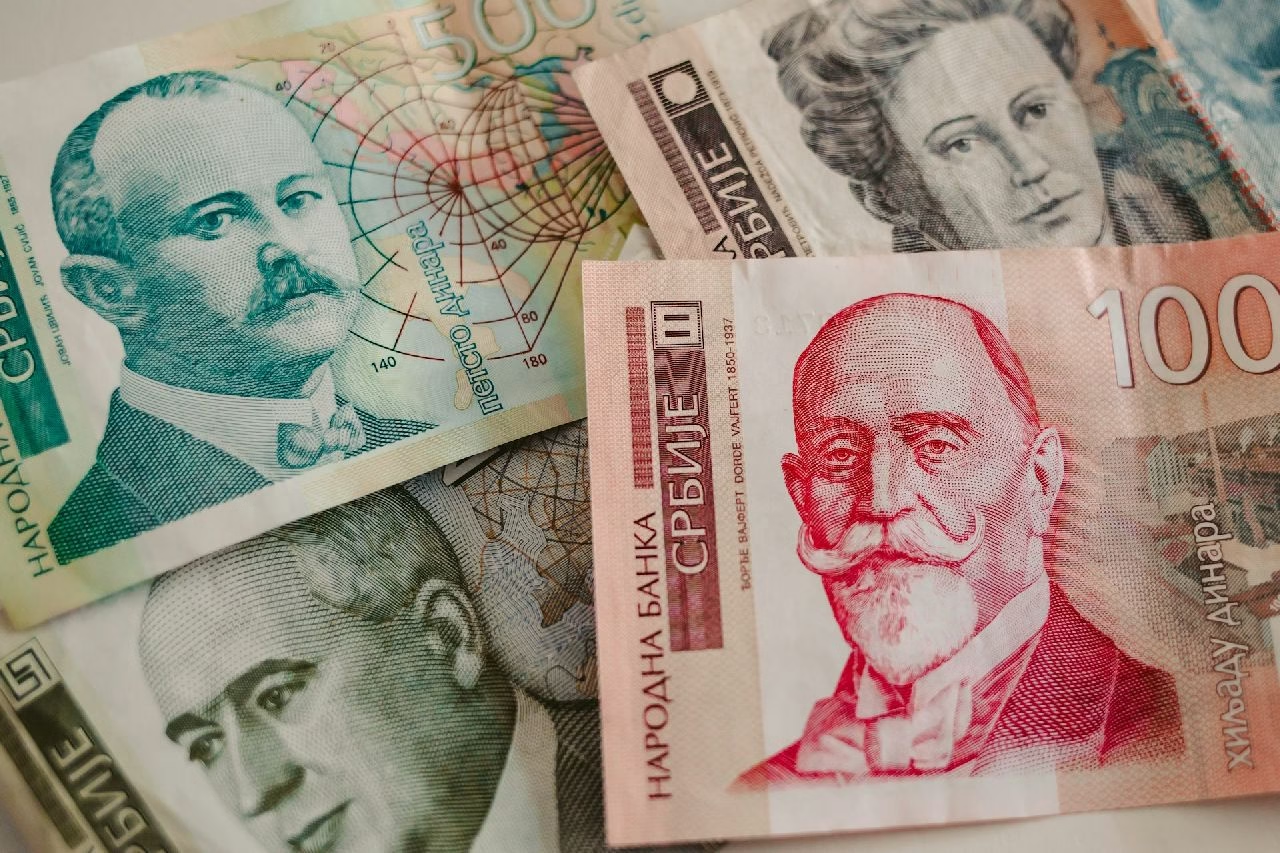
Belgrade, the capital of Serbia, uses the Serbian dinar as its official currency. The dinar is abbreviated as RSD and is issued by the National Bank of Serbia. The currency comes in both coins and banknotes, with the coins ranging from 1 to 100 dinars and the banknotes ranging from 10 to 5000 dinars. The dinar has been the official currency of Serbia since 2003, when it replaced the Yugoslav dinar. The exchange rate of the dinar fluctuates against major world currencies, so it’s important for visitors to understand how to exchange their money and make the most of their budget while in Belgrade.
The Serbian dinar is a unique currency with a rich history and cultural significance. It has been used for centuries and has survived various political and economic changes in the region. Understanding the local currency is essential for anyone visiting Belgrade, as it will impact their purchasing power and overall experience in the city. With the right knowledge and preparation, visitors can navigate the currency exchange process with ease and make the most of their time in Belgrade.
Understanding the Exchange Rate and Conversion
The exchange rate of the Serbian dinar fluctuates against major world currencies such as the US dollar, euro, and British pound. It’s important for visitors to understand the current exchange rate before exchanging their money, as it will impact the amount of local currency they receive in return. The exchange rate can be checked online, at banks, or at currency exchange offices throughout Belgrade.
When converting their money, visitors should also be aware of any fees or commissions that may be charged by banks or exchange offices. Some places may offer better rates but charge higher fees, so it’s important to compare options before making a decision. Additionally, visitors should be cautious of unofficial exchange rates offered by individuals on the street, as these may not be reliable or legal.
Overall, understanding the exchange rate and conversion process is crucial for visitors to make informed decisions about their money while in Belgrade. By staying informed and comparing options, visitors can ensure they get the best value for their currency exchange.
Where to Exchange Money in Belgrade
There are several options for exchanging money in Belgrade, including banks, exchange offices, and hotels. Banks are generally considered to offer more secure and reliable exchange services, but they may have limited hours of operation and longer wait times. Exchange offices are more convenient and can be found throughout the city, offering competitive rates and faster service. However, visitors should be cautious and only use reputable exchange offices to avoid scams or counterfeit currency.
Hotels also offer currency exchange services, but they may have higher fees or less favorable rates compared to banks or exchange offices. It’s important for visitors to compare their options and choose the most reliable and cost-effective method for exchanging their money in Belgrade.
Tips for Exchanging Money in Belgrade
When exchanging money in Belgrade, there are several tips that visitors should keep in mind to ensure a smooth and secure process. Firstly, it’s important to only use reputable banks or exchange offices with a good reputation. Visitors should also compare rates and fees to get the best value for their currency exchange.
Additionally, visitors should be cautious of scams or counterfeit currency, especially when using exchange offices or individuals on the street. It’s recommended to count the money received before leaving the exchange office and to report any issues immediately.
Finally, visitors should consider exchanging a small amount of money at a time to avoid carrying large sums of cash and to have flexibility in case of unexpected expenses. By following these tips, visitors can make the most of their currency exchange experience in Belgrade.
Using ATMs and Credit Cards in Belgrade
ATMs are widely available throughout Belgrade and are a convenient way for visitors to access local currency. Most ATMs accept major international credit and debit cards, but visitors should check with their bank about any foreign transaction fees or withdrawal limits. It’s also important to be cautious when using ATMs in public areas to avoid potential scams or theft.
Credit cards are also widely accepted in Belgrade, especially in larger establishments such as hotels, restaurants, and shops. However, some smaller businesses may only accept cash, so it’s recommended to carry a small amount of local currency for these situations.
Overall, using ATMs and credit cards in Belgrade can provide convenience and security for visitors, but it’s important to be aware of any potential fees or limitations associated with these methods of payment.
Budgeting and Managing Expenses in Belgrade
When visiting Belgrade, it’s important for travelers to budget and manage their expenses effectively to make the most of their experience in the city. Understanding the local currency and exchange rates is crucial for creating an accurate budget and avoiding overspending.
Visitors should consider their accommodation, transportation, dining, entertainment, and shopping expenses when creating a budget for their trip to Belgrade. By researching average costs and comparing options, travelers can ensure they have enough funds for their trip while also maximizing their experiences.
It’s also recommended for visitors to keep track of their expenses throughout their trip to avoid overspending and to have a clear understanding of their remaining budget. By managing expenses effectively, travelers can make the most of their time in Belgrade without financial stress.
Cultural and Social Implications of Currency Exchange in Belgrade
Currency exchange in Belgrade has cultural and social implications that visitors should be aware of when navigating the local economy. The Serbian dinar holds historical significance and is an important symbol of national identity for many locals. Visitors should respect the local currency and handle it with care and consideration.
When exchanging money or making purchases in Belgrade, it’s important for visitors to be mindful of cultural differences in tipping practices, bargaining customs, and overall financial etiquette. By understanding and respecting these cultural nuances, visitors can show appreciation for the local customs and build positive relationships with locals.
Overall, currency exchange in Belgrade is not just a financial transaction but also an opportunity for cultural exchange and understanding. By approaching the process with respect and awareness, visitors can enhance their experience in Belgrade and build meaningful connections with the local community.

Nevena is a travel writer based between Serbia and the UK, with a focus on exploring and promoting tourism across Serbia and the wider Balkan region. Her writing dives into local culture, hidden gems, and everyday stories that give travelers an insider’s view. Nevena also covers the realities of expat life, sharing honest insights about living between countries. A passionate solo traveler, she brings a personal touch to her work—showing what it means to discover the world on your own terms.