
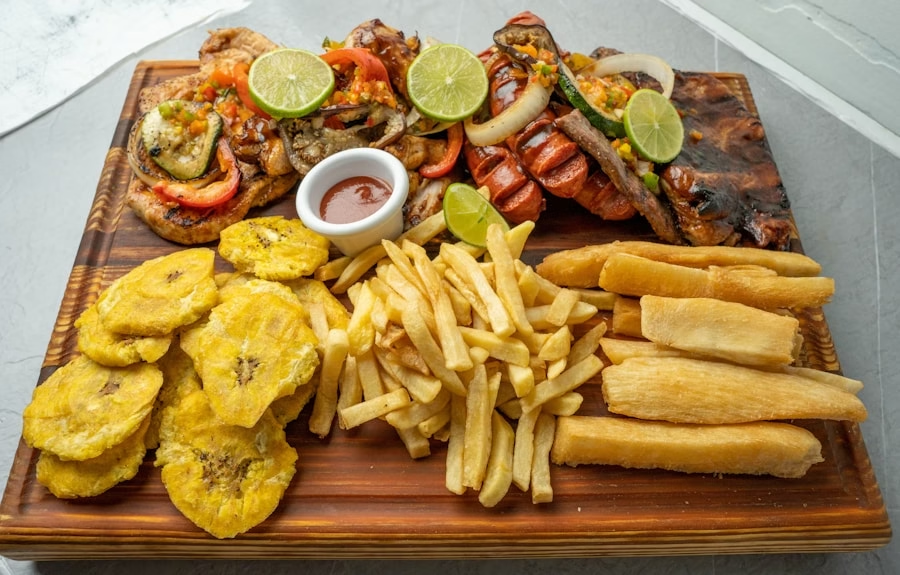
Serbian cuisine is a rich and diverse culinary tradition that reflects the country’s history, geography, and cultural influences. Located at the crossroads of Central and Southeast Europe, Serbia has been influenced by various neighboring countries, resulting in a unique blend of flavors and ingredients. The cuisine is characterized by its hearty and flavorful dishes, often featuring meat, dairy, and fresh produce. Traditional Serbian meals are known for their generous portions and communal dining style, making it a social and enjoyable experience for all.
Top Traditional Eateries in Belgrade
When visiting Belgrade, the capital city of Serbia, there are several traditional eateries that should not be missed. One such place is the famous Skadarlija district, known for its cobblestone streets and charming restaurants serving up authentic Serbian cuisine. One of the most popular restaurants in this area is Tri Šešira, which has been serving traditional Serbian dishes since 1864. Another must-visit eatery is the Restaurant Question Mark, located in the heart of Belgrade. This historic restaurant has been in operation since 1823 and is known for its traditional Serbian dishes and lively atmosphere. For a more modern take on Serbian cuisine, visitors can head to Ambar, a trendy restaurant offering a contemporary twist on traditional dishes.
Must-Try Dishes and Specialties
Serbian cuisine is full of delicious and hearty dishes that are sure to satisfy any palate. One of the most iconic Serbian dishes is Ćevapi, a type of grilled minced meat served with flatbread, onions, and a side of kajmak, a creamy dairy spread. Another popular dish is Sarma, which consists of cabbage leaves stuffed with a mixture of minced meat, rice, and spices, cooked in a flavorful tomato sauce. For those with a sweet tooth, Serbian cuisine offers delightful desserts such as Palacinke, thin crepes filled with various sweet fillings like jam, chocolate, or fresh fruit. Additionally, visitors should not miss trying Rakija, a strong fruit brandy that is a staple in Serbian culture and often enjoyed as an aperitif or digestif.
The History and Culture of Serbian Food
The history of Serbian food is deeply rooted in the country’s agricultural traditions and cultural heritage. Throughout history, Serbian cuisine has been influenced by various civilizations, including the Byzantine Empire, Ottoman Empire, and Austro-Hungarian Empire. These influences have contributed to the diverse range of flavors and ingredients found in Serbian dishes today. Additionally, the country’s rich agricultural landscape has played a significant role in shaping Serbian cuisine, with an abundance of fresh produce, dairy products, and meats being central to many traditional dishes. The communal nature of Serbian dining also reflects the country’s strong sense of hospitality and community, with meals often being enjoyed with family and friends.
Tips for Dining in Belgrade
When dining in Belgrade, there are a few tips to keep in mind to fully enjoy the experience. Firstly, it is customary to greet the staff upon entering a restaurant with a friendly “Dobar dan” (Good day) or “Dobro veče” (Good evening). Additionally, it is common to leave a small tip for good service, typically around 10% of the bill. When ordering drinks, it is important to note that water is often served without ice unless specifically requested. Lastly, it is customary to take your time when dining in Serbia, as meals are meant to be enjoyed at a leisurely pace with good company.
Vegetarian and Vegan Options
While Serbian cuisine is known for its meat-heavy dishes, there are still plenty of options for vegetarians and vegans in Belgrade. Many traditional Serbian restaurants offer vegetable-based dishes such as Ajvar, a flavorful roasted red pepper spread, and Prebranac, a hearty baked bean dish. Additionally, there are several vegetarian and vegan-friendly restaurants in Belgrade that cater to those with dietary restrictions. Some popular options include Radost Fina Kuhinjica, which offers a variety of plant-based dishes made with fresh and locally sourced ingredients, and Mayka Vegan Kitchen, known for its creative and delicious vegan fare.
Where to Find the Best Serbian Desserts
No visit to Belgrade would be complete without indulging in some of the best Serbian desserts the city has to offer. For those with a sweet tooth, a visit to the famous Patisserie Toma is a must. This beloved bakery has been serving up delectable pastries and cakes since 1931 and is known for its wide selection of traditional Serbian desserts such as Krempita (a custard-filled pastry) and Medovik (a honey cake). Another popular spot for sweet treats is Mihailo Pupin Boulevard, where visitors can find numerous bakeries and cafes offering an array of mouthwatering desserts like Palačinke (thin crepes) and Baklava (a sweet pastry made with layers of filo dough, nuts, and honey). Whether it’s enjoying a slice of cake at a charming cafe or picking up some pastries from a local bakery, there are plenty of opportunities to satisfy your sweet cravings in Belgrade.

I’m Nevena, a writer and Belgrade native who now splits my time between Serbia and the UK. I’ve been living between two countries for 8 years, which means I understand Belgrade from both sides: as someone who grew up here, and as someone who had to rediscover it through expat eyes.
That dual perspective shapes everything I write. I cover expat life in Belgrade in depth, the things no guidebook tells you, like how to navigate the healthcare system, where to find reliable childcare, what property buying actually involves for foreigners, and how much things really cost when you live here rather than just visiting. I’ve done most of this myself, which means my guides are based on real experience, not research from a distance.
I also write about Serbia and the wider Balkans as a travel destination, a region that still surprises people with how much it offers. I’ve taken 35+ solo trips across Serbia, Bosnia & Herzegovina, North Macedonia, Montenegro, Croatia and Romania, and I speak Serbian, English and conversational Romanian.
Belgrade is one of Europe’s most underrated cities, and I’ve made it my mission to change that, one honest, practical guide at a time.