
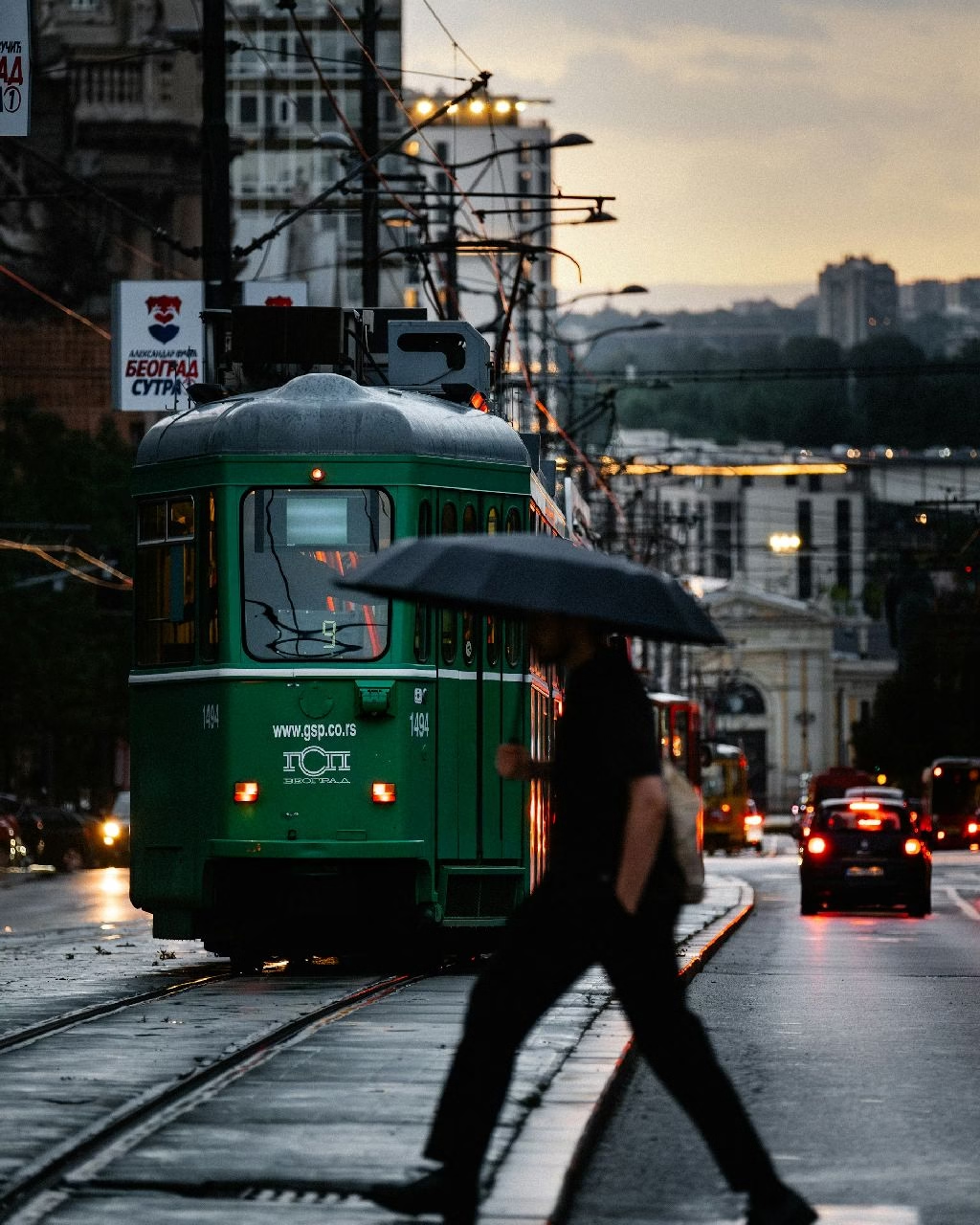
Belgrade, the capital of Serbia, is a city with a rich and diverse cultural history. From its ancient roots as a Celtic and Roman settlement to its more recent history as part of the former Yugoslavia, Belgrade has been shaped by a variety of influences. The city’s architecture reflects this history, with a mix of ancient fortresses, Ottoman-era mosques, and Austro-Hungarian buildings. Belgrade’s cultural scene is equally diverse, with a thriving arts community that includes everything from traditional folk music to cutting-edge contemporary art. Understanding Belgrade’s culture and history is essential for anyone looking to truly experience the city.
Belgrade’s history is a complex tapestry of different cultures and influences, and understanding it is key to understanding the city itself. The city has been inhabited for thousands of years, and evidence of its ancient past can still be seen in the form of the Belgrade Fortress, which dates back to the 3rd century BOver the centuries, Belgrade has been ruled by the Romans, Byzantines, Ottomans, and Austro-Hungarians, among others, and each of these cultures has left its mark on the city. Today, Belgrade is a vibrant and cosmopolitan city that embraces its multicultural heritage, and understanding this history is essential for anyone looking to truly appreciate the city and its people.
Exploring Belgrade’s Neighborhoods and Landmarks
Belgrade is a city of diverse neighborhoods, each with its own unique character and charm. From the historic streets of Stari Grad to the bohemian atmosphere of Skadarlija, there is something for everyone in Belgrade. The city is also home to a number of iconic landmarks, including the Belgrade Fortress, which offers stunning views of the confluence of the Sava and Danube rivers, and the Church of Saint Sava, one of the largest Orthodox churches in the world. Exploring Belgrade’s neighborhoods and landmarks is a great way to get a feel for the city and its people.
One of the best ways to explore Belgrade is on foot, as many of the city’s most interesting neighborhoods and landmarks are within walking distance of each other. Stari Grad, or Old Town, is a great place to start, with its narrow cobblestone streets and historic buildings. From there, you can make your way to Skadarlija, a lively bohemian quarter known for its cafes, restaurants, and live music. Other must-see landmarks include the Kalemegdan Park and Fortress, which offer stunning views of the city and the rivers below, and the Nikola Tesla Museum, which celebrates the life and work of the famous Serbian inventor. Whether you’re interested in history, art, or simply soaking up the atmosphere of a new city, exploring Belgrade’s neighborhoods and landmarks is an essential part of any visit to the city.
Engaging in Local Traditions and Customs
Belgrade is a city with a rich cultural heritage, and engaging in local traditions and customs is a great way to get a feel for the city and its people. One of the most important traditions in Belgrade is the practice of Slava, or family patron saint day. This tradition dates back to medieval times and involves celebrating the feast day of the family’s patron saint with a special meal and religious observances. Another important tradition is the practice of kolo dancing, a traditional Serbian folk dance that is often performed at weddings and other celebrations. Engaging in these local traditions and customs is a great way to connect with Belgraders and gain a deeper understanding of their culture.
In addition to Slava and kolo dancing, there are many other local traditions and customs that are worth experiencing in Belgrade. For example, the city is known for its vibrant music scene, with traditional folk music playing an important role in Serbian culture. Attending a live performance of traditional Serbian music is a great way to experience this aspect of local culture firsthand. Another important tradition in Belgrade is the practice of making rakija, a strong fruit brandy that is an important part of Serbian hospitality. Engaging in these local traditions and customs is a great way to connect with Belgraders and gain a deeper understanding of their culture.
Connecting with Belgraders Through Food and Drink
One of the best ways to connect with Belgraders is through their love of food and drink. Serbian cuisine is known for its hearty and flavorful dishes, which often feature grilled meats, fresh vegetables, and homemade bread. Some must-try dishes include cevapi, small grilled sausages served with flatbread and onions; sarma, cabbage rolls stuffed with meat and rice; and ajvar, a savory red pepper spread that is often served as a condiment. In addition to its delicious food, Serbia is also known for its strong coffee culture, with cafes playing an important role in daily life. Connecting with Belgraders through food and drink is a great way to experience the city’s culture and make new friends.
In addition to its delicious cuisine, Serbia is also known for its strong tradition of hospitality. Sharing a meal or a drink with locals is a great way to connect with Belgraders and gain insight into their way of life. Whether you’re enjoying a leisurely coffee at a sidewalk cafe or sampling traditional dishes at a local restaurant, food and drink are an important part of Serbian social life. In addition to its delicious cuisine, Serbia is also known for its strong tradition of hospitality. Sharing a meal or a drink with locals is a great way to connect with Belgraders and gain insight into their way of life.
Participating in Community Events and Festivals
Belgrade is a city that loves to celebrate, and there are numerous community events and festivals throughout the year that offer visitors a chance to experience local culture firsthand. One of the most popular events is the Belgrade Boat Carnival, which takes place every spring on the Sava River. This colorful event features decorated boats, live music, and plenty of food and drink, making it a great way to experience Belgrade’s festive spirit. Another must-see event is the Belgrade Beer Fest, which takes place every August and features live music, craft beer from local breweries, and plenty of food stalls. Participating in community events and festivals is a great way to connect with Belgraders and experience the city’s vibrant cultural scene.
In addition to these larger events, there are also numerous smaller community events and festivals throughout the year that offer visitors a chance to experience local culture firsthand. For example, there are regular farmers’ markets where you can sample fresh produce and traditional Serbian foods, as well as craft fairs where you can purchase handmade goods from local artisans. There are also numerous religious festivals throughout the year that offer visitors a chance to experience Serbian Orthodox traditions firsthand. Participating in these community events and festivals is a great way to connect with Belgraders and gain insight into their way of life.
Learning the Serbian Language and Slang
Learning the Serbian language is an important part of connecting with Belgraders and gaining insight into their culture. While many people in Belgrade speak English, making an effort to learn some basic Serbian phrases can go a long way in building relationships with locals. In addition to learning the language itself, it’s also important to familiarize yourself with Serbian slang, as this can help you better understand everyday conversations and connect with people on a more personal level. Learning the Serbian language and slang is an important part of immersing yourself in Belgrade’s culture.
In addition to learning the language itself, it’s also important to familiarize yourself with Serbian slang, as this can help you better understand everyday conversations and connect with people on a more personal level. For example, knowing how to use common slang terms like “bre” (which roughly translates to “dude” or “mate”) or “fazon” (which means “style” or “attitude”) can help you better understand casual conversations and connect with people on a more personal level. Learning the Serbian language and slang is an important part of immersing yourself in Belgrade’s culture.
Making Friends and Building Relationships in Belgrade
Making friends in Belgrade is an important part of truly experiencing the city’s culture. One of the best ways to meet new people is by participating in activities that interest you, whether that’s joining a sports team or club, taking a class or workshop, or volunteering for a local organization. Another great way to make friends in Belgrade is by attending social events like parties or gatherings at cafes or bars. Making an effort to connect with locals through shared interests or activities is an important part of building relationships in Belgrade.
In addition to participating in activities that interest you, it’s also important to be open-minded and willing to step out of your comfort zone when making friends in Belgrade. This might mean trying new foods or activities that you wouldn’t normally consider, or simply being open to meeting new people from different backgrounds or walks of life. Building relationships in Belgrade takes time and effort, but it’s well worth it for anyone looking to truly experience the city’s culture and make lasting connections with its people. Making an effort to connect with locals through shared interests or activities is an important part of building relationships in Belgrade.
In conclusion, understanding Belgrade’s culture and history is essential for anyone looking to truly experience the city. Exploring its diverse neighborhoods and landmarks offers visitors a chance to get a feel for the city’s unique character and charm. Engaging in local traditions and customs provides insight into Serbian culture while connecting with Belgraders through food and drink offers an opportunity to make new friends. Participating in community events and festivals allows visitors to experience local culture firsthand while learning the Serbian language and slang helps immerse oneself in Belgrade’s culture. Making friends in Belgrade is an important part of building relationships with locals while truly experiencing all that this vibrant city has to offer.
I’m Nevena, a writer and Belgrade native who now splits my time between Serbia and the UK. I’ve been living between two countries for 8 years, which means I understand Belgrade from both sides: as someone who grew up here, and as someone who had to rediscover it through expat eyes.
That dual perspective shapes everything I write. I cover expat life in Belgrade in depth, the things no guidebook tells you, like how to navigate the healthcare system, where to find reliable childcare, what property buying actually involves for foreigners, and how much things really cost when you live here rather than just visiting. I’ve done most of this myself, which means my guides are based on real experience, not research from a distance.
I also write about Serbia and the wider Balkans as a travel destination, a region that still surprises people with how much it offers. I’ve taken 35+ solo trips across Serbia, Bosnia & Herzegovina, North Macedonia, Montenegro, Croatia and Romania, and I speak Serbian, English and conversational Romanian.
Belgrade is one of Europe’s most underrated cities, and I’ve made it my mission to change that, one honest, practical guide at a time.