
Belgrade, the capital of Serbia, is a vibrant and bustling city with a rich history and culture. However, like any major city, it is not immune to scams and fraudulent activities. One of the most common scams in Belgrade is the “fake police officer” scam, where individuals posing as police officers approach tourists and ask to see their passports and wallets. They may claim that there has been a problem with counterfeit money or that there is a security threat, and then proceed to steal money and valuables from the unsuspecting victims. Another prevalent scam is the “distraction theft,” where a group of individuals work together to distract a tourist while another member steals their belongings. This can happen in crowded areas, such as public transportation or busy tourist attractions. It’s important for visitors to be aware of these common scams and to take precautions to avoid falling victim to them.
In addition to these scams, tourists should also be cautious of overcharging at restaurants and taxis, as well as fake ticket sellers at popular attractions. It’s essential to be vigilant and skeptical of anyone who approaches you with an offer that seems too good to be true. By understanding the common scams in Belgrade, visitors can better protect themselves and their belongings during their stay in the city.
Tips for Avoiding Pickpocketing in Busy Areas
Belgrade is a bustling city with many popular tourist attractions and busy areas, making it a prime location for pickpocketing. To avoid falling victim to pickpocketing, there are several tips that visitors can follow. First and foremost, it’s essential to be aware of your surroundings and to keep a close eye on your belongings at all times. This means keeping your purse or wallet close to your body and not leaving valuables unattended. In crowded areas, such as public transportation or busy markets, it’s important to be extra cautious and to avoid displaying expensive items, such as jewelry or electronic devices.
Another tip for avoiding pickpocketing is to use a money belt or hidden pouch to store your valuables, rather than carrying them in easily accessible pockets or bags. Additionally, it’s a good idea to avoid carrying large amounts of cash and to use credit or debit cards instead. By taking these precautions and staying vigilant, visitors can reduce their risk of falling victim to pickpocketing in busy areas of Belgrade.
How to Recognize and Avoid ATM Skimming Devices
ATM skimming is a common form of fraud that involves criminals installing devices on ATMs to steal card information and personal identification numbers (PINs) from unsuspecting users. In Belgrade, as in many other cities around the world, tourists should be aware of the potential for ATM skimming and take steps to avoid becoming a victim. One way to recognize ATM skimming devices is to inspect the ATM for any unusual attachments or modifications. This can include card readers that look different from the rest of the machine or keypad overlays that may be used to capture PINs.
To avoid falling victim to ATM skimming, it’s important to use ATMs located in well-lit and secure areas, such as inside banks or other reputable establishments. Additionally, it’s a good idea to cover the keypad when entering your PIN and to regularly monitor your bank statements for any unauthorized transactions. By being vigilant and taking these precautions, visitors can reduce their risk of falling victim to ATM skimming in Belgrade.
Protecting Your Personal Information and Belongings
When visiting Belgrade, it’s important for tourists to take steps to protect their personal information and belongings from potential scams and theft. One way to do this is by keeping important documents, such as passports and travel insurance information, in a secure location, such as a hotel safe. It’s also a good idea to make copies of these documents and keep them separate from the originals in case they are lost or stolen.
In addition to protecting important documents, visitors should also be cautious about sharing personal information with strangers, especially when it comes to financial information or sensitive data. This means being wary of anyone who asks for personal information, such as credit card numbers or social security numbers, and being cautious about sharing this information online or over the phone. By taking these precautions and being mindful of who has access to your personal information, you can reduce your risk of falling victim to scams and identity theft while visiting Belgrade.
What to Do If You Become a Victim of a Scam or Pickpocketing
Despite taking precautions, it’s still possible for tourists to become victims of scams or pickpocketing while visiting Belgrade. If you find yourself in this unfortunate situation, it’s important to stay calm and take immediate action to protect yourself and your belongings. One of the first things you should do is report the incident to the local authorities, such as the police or tourist information center. They can help you file a report and provide guidance on what steps to take next.
In addition to reporting the incident, it’s also important to contact your bank or credit card company to report any stolen cards or unauthorized transactions. They can help you cancel your cards and prevent any further fraudulent activity. Finally, it’s a good idea to reach out to your embassy or consulate for assistance, especially if important documents, such as passports, have been stolen. By taking these steps and seeking help from the appropriate authorities, you can minimize the impact of falling victim to a scam or pickpocketing incident in Belgrade.
Trusted Resources for Reporting Scams and Pickpocketing Incidents
When visiting Belgrade, it’s important for tourists to be aware of trusted resources for reporting scams and pickpocketing incidents. One such resource is the local police department, which can provide assistance in filing a report and investigating the incident. Additionally, many cities have dedicated tourist information centers that can provide guidance and support for visitors who have fallen victim to scams or theft.
In addition to these local resources, tourists can also reach out to their embassy or consulate for assistance in reporting incidents and obtaining help with replacing stolen documents or cards. Many embassies offer 24/7 emergency assistance for citizens who find themselves in difficult situations while traveling abroad. By being aware of these trusted resources and knowing how to access them, tourists can better protect themselves and seek help if they become victims of scams or pickpocketing while visiting Belgrade.
Staying Informed and Updated on Current Scams and Safety Measures
Finally, one of the best ways for tourists to protect themselves from scams and pickpocketing while visiting Belgrade is by staying informed and updated on current scams and safety measures. This can include researching common scams in the area before traveling, as well as staying up-to-date on any new tactics or fraudulent activities that may be occurring in the city. Many travel websites and forums offer valuable information on current scams and safety tips for visitors.
In addition to researching before traveling, tourists can also stay informed by following local news sources and official travel advisories from their home country’s government. These sources often provide valuable information on potential risks and safety measures for travelers in specific destinations. By staying informed and updated on current scams and safety measures, tourists can better protect themselves from falling victim to fraudulent activities while visiting Belgrade.
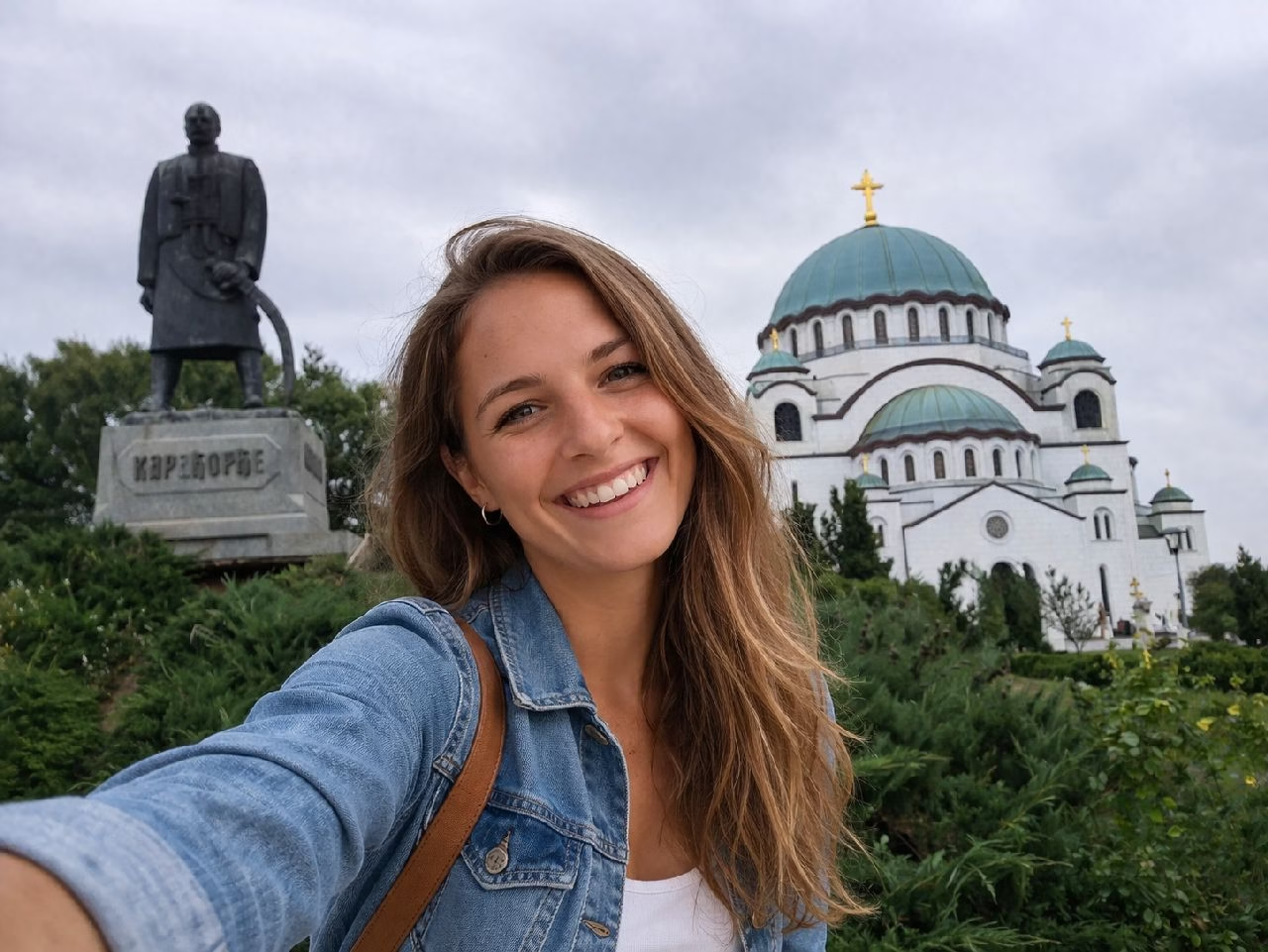
I’m Nevena, a writer and Belgrade native who now splits my time between Serbia and the UK. I’ve been living between two countries for 8 years, which means I understand Belgrade from both sides: as someone who grew up here, and as someone who had to rediscover it through expat eyes.
That dual perspective shapes everything I write. I cover expat life in Belgrade in depth, the things no guidebook tells you, like how to navigate the healthcare system, where to find reliable childcare, what property buying actually involves for foreigners, and how much things really cost when you live here rather than just visiting. I’ve done most of this myself, which means my guides are based on real experience, not research from a distance.
I also write about Serbia and the wider Balkans as a travel destination, a region that still surprises people with how much it offers. I’ve taken 35+ solo trips across Serbia, Bosnia & Herzegovina, North Macedonia, Montenegro, Croatia and Romania, and I speak Serbian, English and conversational Romanian.
Belgrade is one of Europe’s most underrated cities, and I’ve made it my mission to change that, one honest, practical guide at a time.