
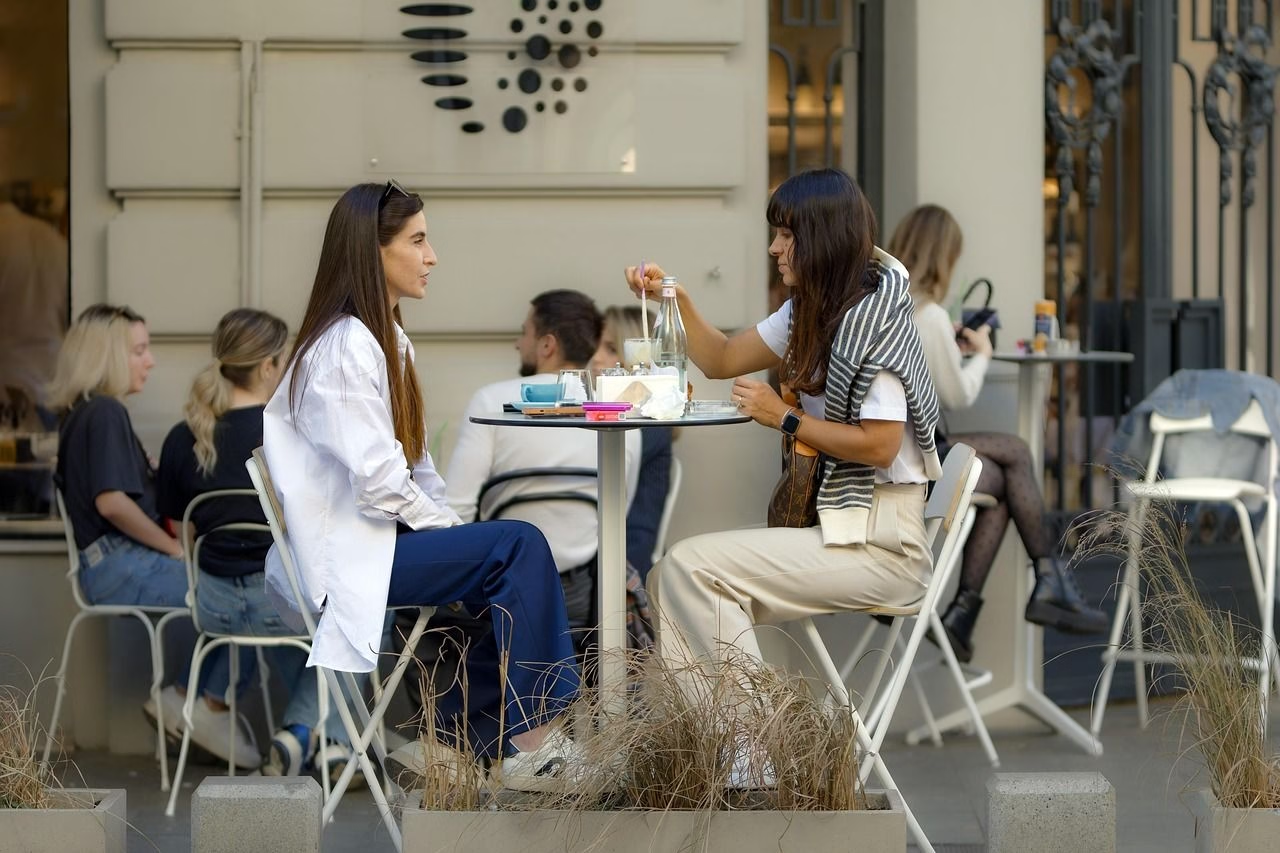
In many cultures around the world, greetings and politeness play a crucial role in social interactions. In some cultures, such as Japan, bowing is the traditional form of greeting, while in Western cultures, a handshake is more common. It is important to be aware of the appropriate greeting customs when interacting with people from different cultures. In some cultures, it is customary to address people by their titles and last names, while in others, using first names is more common. Understanding these nuances can help avoid unintentional disrespect or offense.
Furthermore, politeness is highly valued in many cultures, and it is important to be mindful of using polite language and gestures when interacting with others. This can include saying “please” and “thank you,” as well as using appropriate body language and tone of voice. In some cultures, such as in parts of Asia, it is customary to show deference to elders and authority figures through specific gestures or language. Being aware of these cultural norms can help ensure that interactions with others are respectful and positive.
Dress Code and Modesty
Dress code and modesty are important considerations in many cultures around the world. In some cultures, such as in the Middle East, modest clothing that covers the body is the norm, particularly for women. It is important to be aware of and respectful of these cultural norms when visiting or interacting with people from these cultures. In other cultures, such as in Western countries, dress codes may be more relaxed, but it is still important to dress appropriately for different social situations.
Understanding the dress code and modesty expectations in different cultures can help avoid unintentional offense or disrespect. It is important to be mindful of how clothing choices may be perceived by others and to dress in a way that shows respect for the cultural norms of the people you are interacting with. Additionally, being aware of dress code expectations can help ensure that you are able to participate in various social and religious activities without any issues.
Dining Etiquette
Dining etiquette varies widely across different cultures, and it is important to be aware of the specific customs and expectations when dining with people from different backgrounds. In some cultures, such as in Japan, there are specific rules around how to use chopsticks and how to eat certain foods. In other cultures, such as in parts of Europe, there are specific customs around how to hold utensils and how to engage in conversation during meals.
Understanding dining etiquette can help ensure that interactions with others are respectful and positive. It is important to be mindful of table manners, such as not talking with food in your mouth or not reaching across the table for items. Additionally, being aware of cultural customs around food and dining can help avoid unintentional offense or disrespect. By being respectful of dining etiquette in different cultures, you can show that you value and appreciate the traditions and customs of others.
Religious Customs
Religion plays a significant role in many cultures around the world, and it is important to be aware of and respectful of the religious customs of others. In some cultures, such as in India, there are specific customs around how to greet and interact with people of different religious backgrounds. In other cultures, such as in parts of the Middle East, there are specific customs around prayer times and religious holidays.
Understanding religious customs can help ensure that interactions with others are respectful and positive. It is important to be mindful of how religious beliefs may impact social interactions and to be respectful of the traditions and customs of others. Additionally, being aware of religious customs can help avoid unintentional offense or disrespect. By showing respect for the religious customs of others, you can build positive and meaningful relationships with people from different cultural backgrounds.
Socializing and Communication
Socializing and communication styles vary widely across different cultures, and it is important to be aware of the specific customs and expectations when interacting with people from different backgrounds. In some cultures, such as in parts of Asia, there are specific customs around how to address elders and authority figures. In other cultures, such as in parts of Latin America, there are specific customs around physical touch and personal space.
Understanding socializing and communication styles can help ensure that interactions with others are respectful and positive. It is important to be mindful of how communication styles may differ across cultures and to be respectful of the preferences and customs of others. Additionally, being aware of socializing customs can help avoid unintentional offense or disrespect. By being respectful of socializing and communication styles in different cultures, you can build strong and meaningful relationships with people from diverse backgrounds.
Gift Giving
Gift giving customs vary widely across different cultures, and it is important to be aware of the specific customs and expectations when giving gifts to people from different backgrounds. In some cultures, such as in parts of Asia, there are specific customs around how to present gifts and what types of gifts are appropriate. In other cultures, such as in parts of Africa, there are specific customs around when and how to give gifts.
Understanding gift giving customs can help ensure that interactions with others are respectful and positive. It is important to be mindful of how gift giving customs may differ across cultures and to be respectful of the preferences and traditions of others. Additionally, being aware of gift giving customs can help avoid unintentional offense or disrespect. By being respectful of gift giving customs in different cultures, you can show that you value and appreciate the traditions and customs of others.
Visiting Sacred Sites
Visiting sacred sites is a common practice in many cultures around the world, and it is important to be aware of the specific customs and expectations when visiting these sites. In some cultures, such as in parts of the Middle East, there are specific customs around how to dress and behave when visiting sacred sites. In other cultures, such as in parts of South America, there are specific customs around how to show respect for sacred sites.
Understanding the customs around visiting sacred sites can help ensure that interactions with others are respectful and positive. It is important to be mindful of how visiting sacred sites may differ across cultures and to be respectful of the traditions and customs of others. Additionally, being aware of these customs can help avoid unintentional offense or disrespect. By being respectful when visiting sacred sites in different cultures, you can show that you value and appreciate the traditions and customs of others.
In conclusion, being aware of cultural customs and traditions is essential for building positive and meaningful relationships with people from diverse backgrounds. By understanding and respecting the customs around greetings and politeness, dress code and modesty, dining etiquette, religious customs, socializing and communication, gift giving, and visiting sacred sites, you can show that you value and appreciate the traditions and customs of others. This awareness can help ensure that interactions with people from different cultural backgrounds are respectful and positive, leading to stronger relationships and a deeper understanding of the world around us.
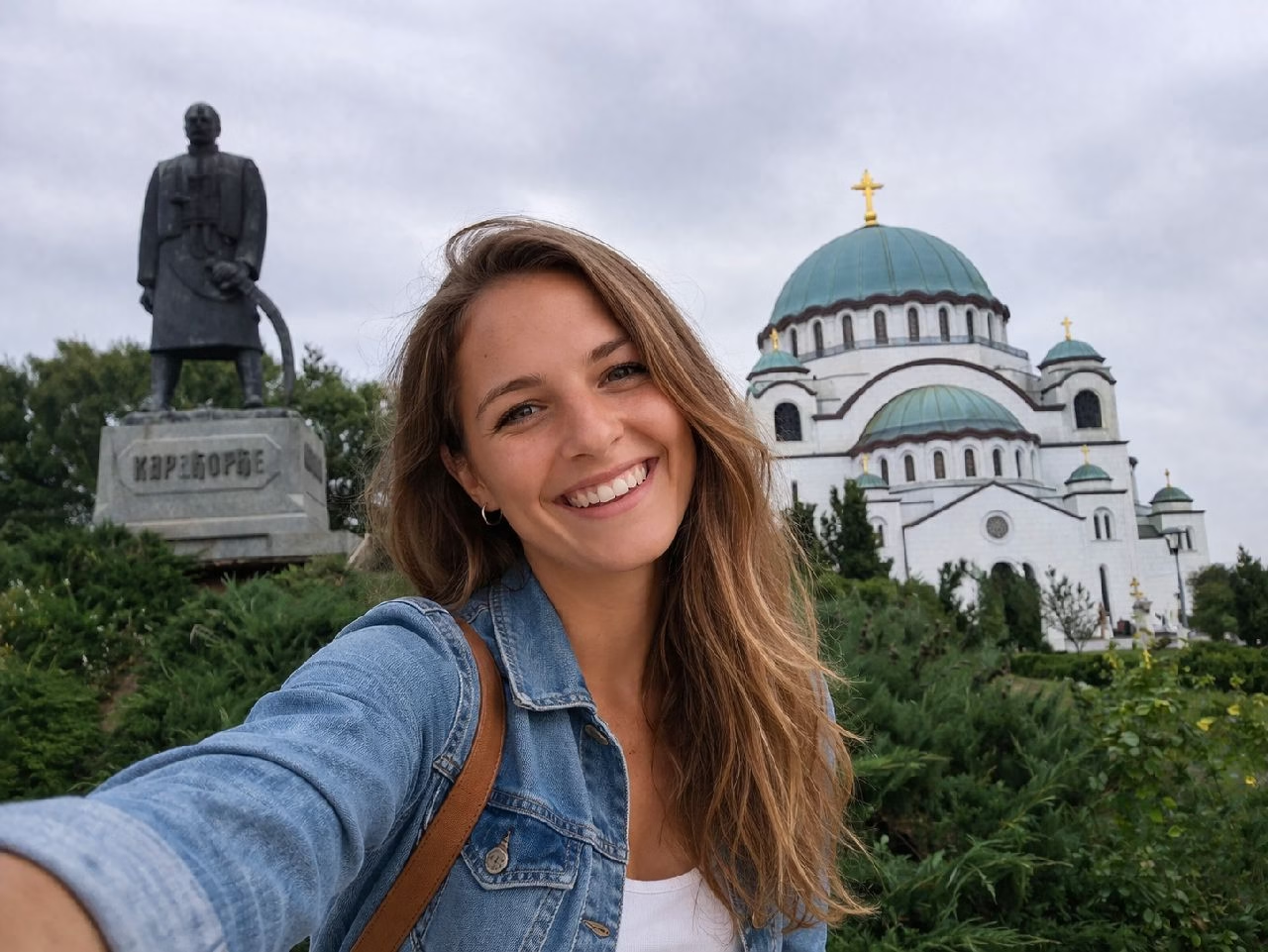
I’m Nevena, a writer and Belgrade native who now splits my time between Serbia and the UK. I’ve been living between two countries for 8 years, which means I understand Belgrade from both sides: as someone who grew up here, and as someone who had to rediscover it through expat eyes.
That dual perspective shapes everything I write. I cover expat life in Belgrade in depth, the things no guidebook tells you, like how to navigate the healthcare system, where to find reliable childcare, what property buying actually involves for foreigners, and how much things really cost when you live here rather than just visiting. I’ve done most of this myself, which means my guides are based on real experience, not research from a distance.
I also write about Serbia and the wider Balkans as a travel destination, a region that still surprises people with how much it offers. I’ve taken 35+ solo trips across Serbia, Bosnia & Herzegovina, North Macedonia, Montenegro, Croatia and Romania, and I speak Serbian, English and conversational Romanian.
Belgrade is one of Europe’s most underrated cities, and I’ve made it my mission to change that, one honest, practical guide at a time.